Trail Performance
E-MTB
Electric mountain bikes tuned for the climb and the descent — full suspension, grippy tires and mid-drive torque for real singletrack. Every e-MTB here is one we ride on the trail.
The fifteen best electric mountain bikes, ranked — the one category where the legacy bike brands still own the podium.
Ride1Up
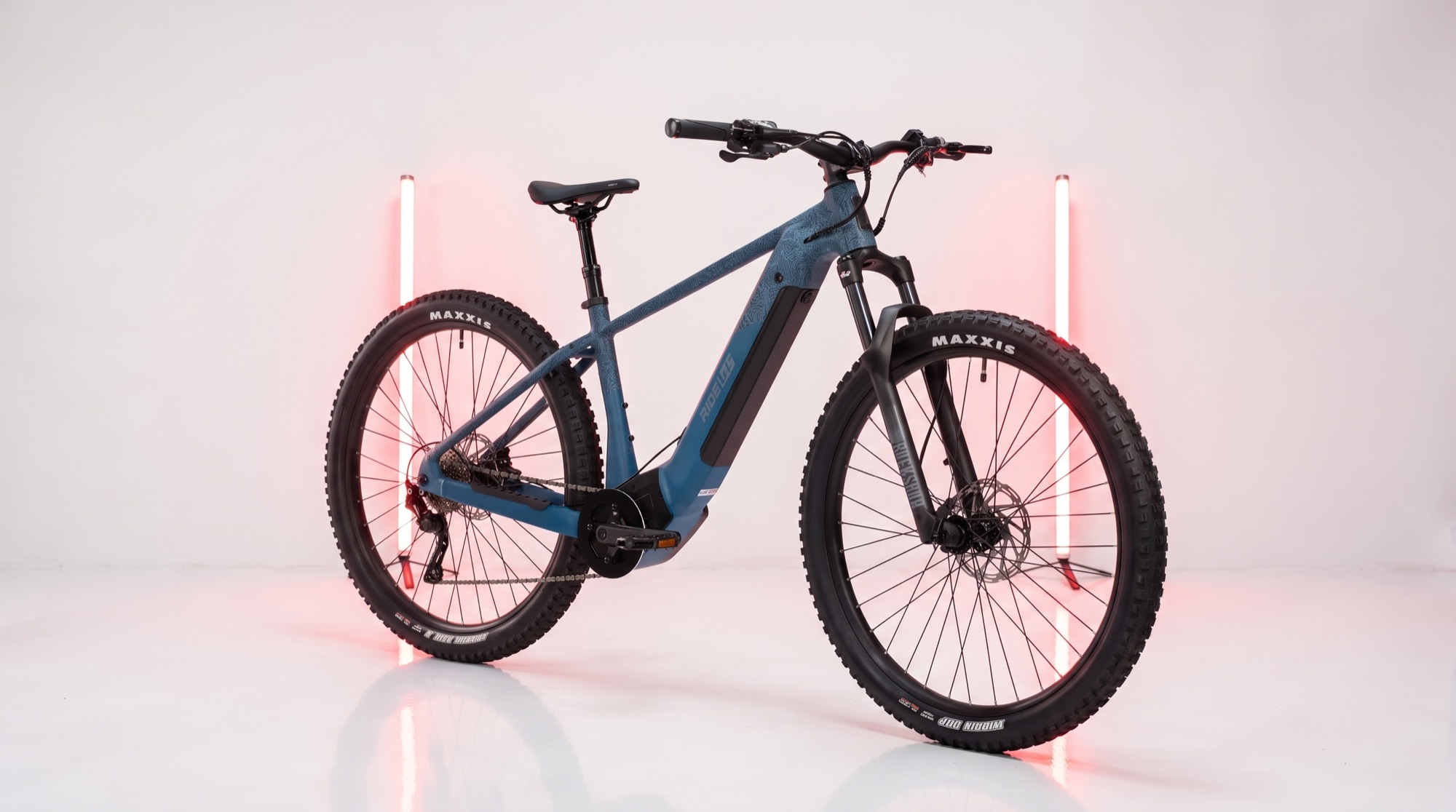
Ride1Up's trail hardtail — a torque-sensed Brose mid-drive with a RockShox air fork and Maxxis Minion 29ers.
Aventon
From a lightweight hardtail trail bike to carbon full-suspension flagships — Aventon's Ultro-powered electric mountain bikes.
Current ADV
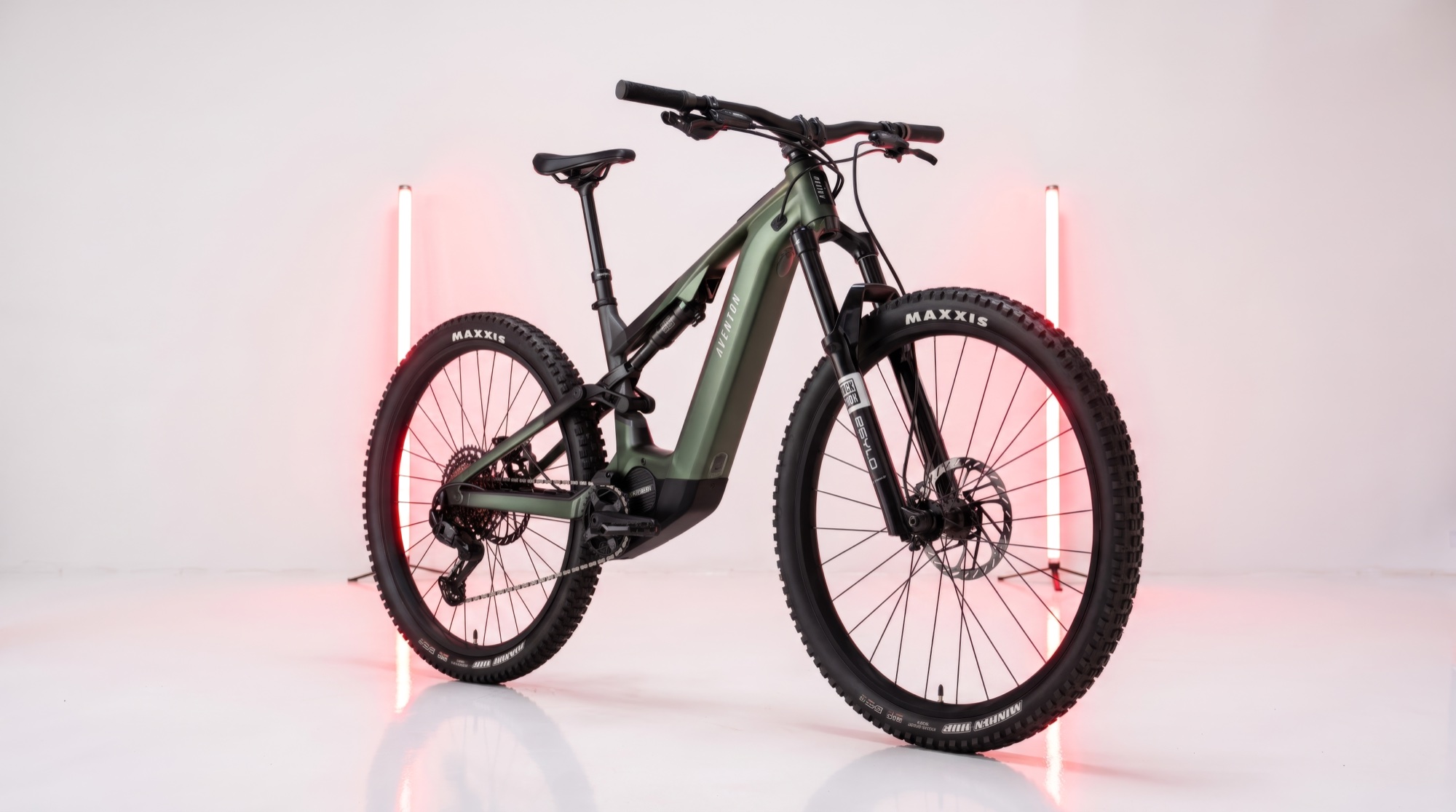
Aventon's alloy trail weapon — the 120Nm Ultro X mid-drive, 140/150mm RockShox suspension and up to 105 miles from an 800Wh battery.
Current EXP
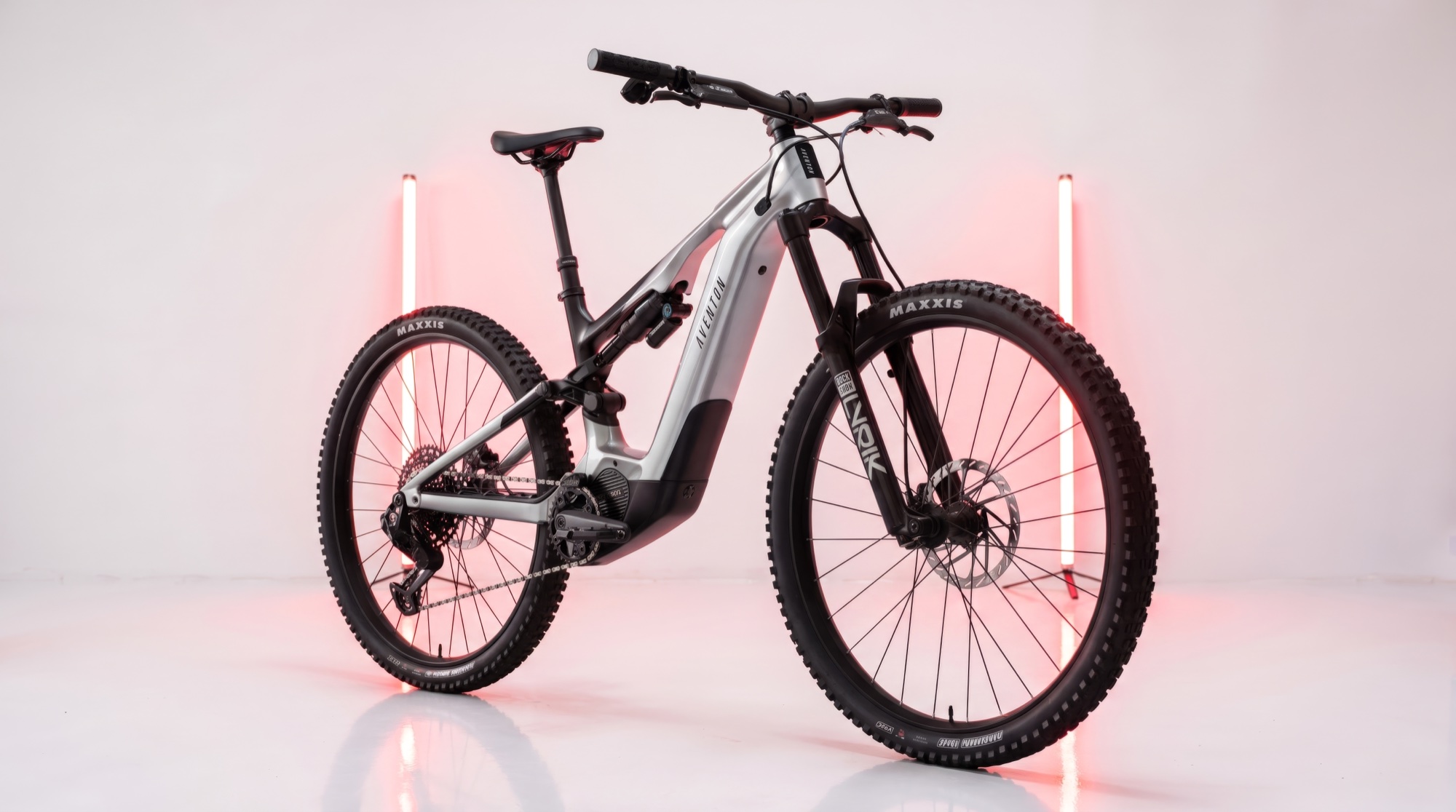
The carbon flagship — a carbon front triangle, the 110Nm (120 Boost) Ultro X mid-drive, SRAM Maven brakes and up to 105 miles of range.
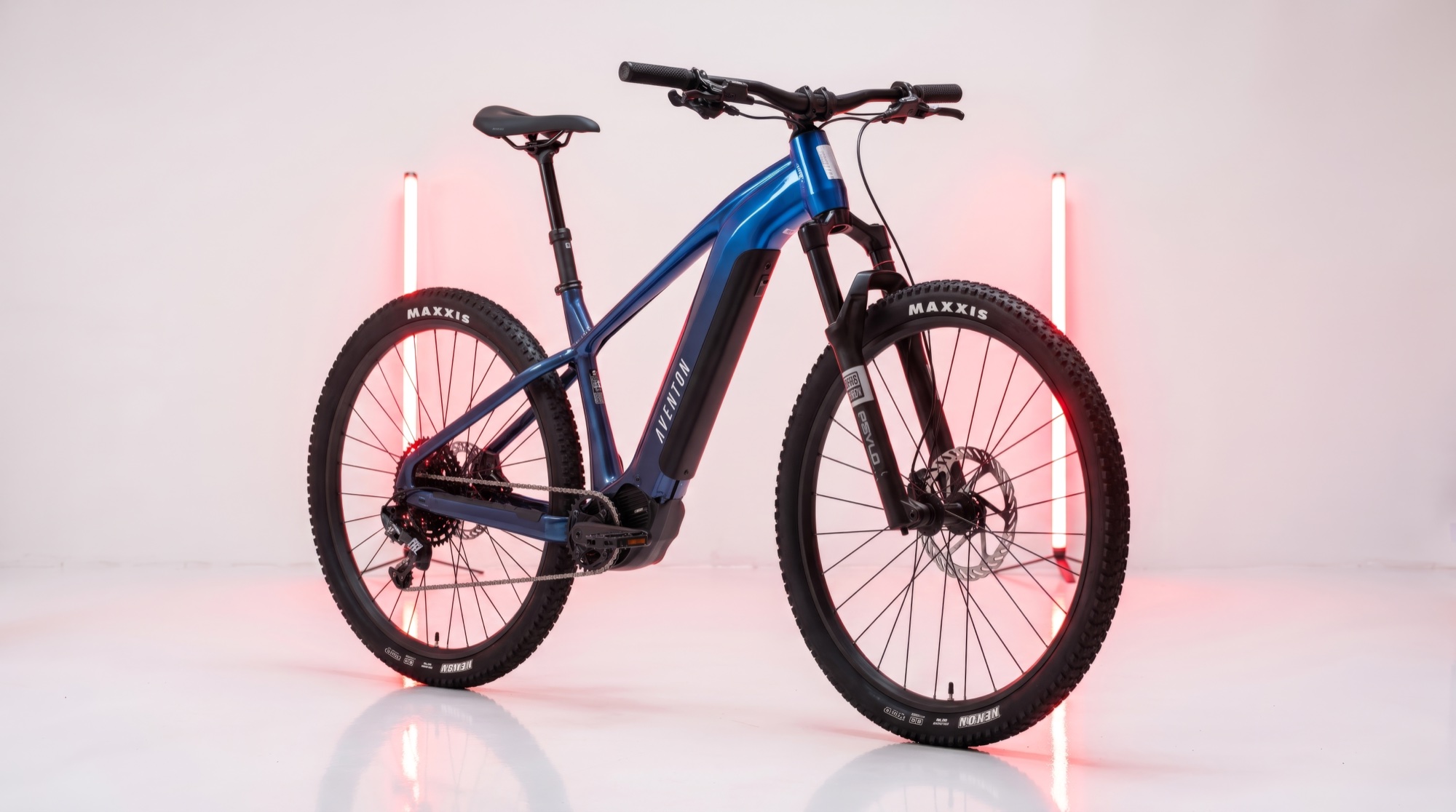
Ramblas ADV
Aventon's lightweight trail eMTB — a 100Nm A100 mid-drive, a RockShox fork, a dropper post and up to 90 miles, all at just 54 lbs.
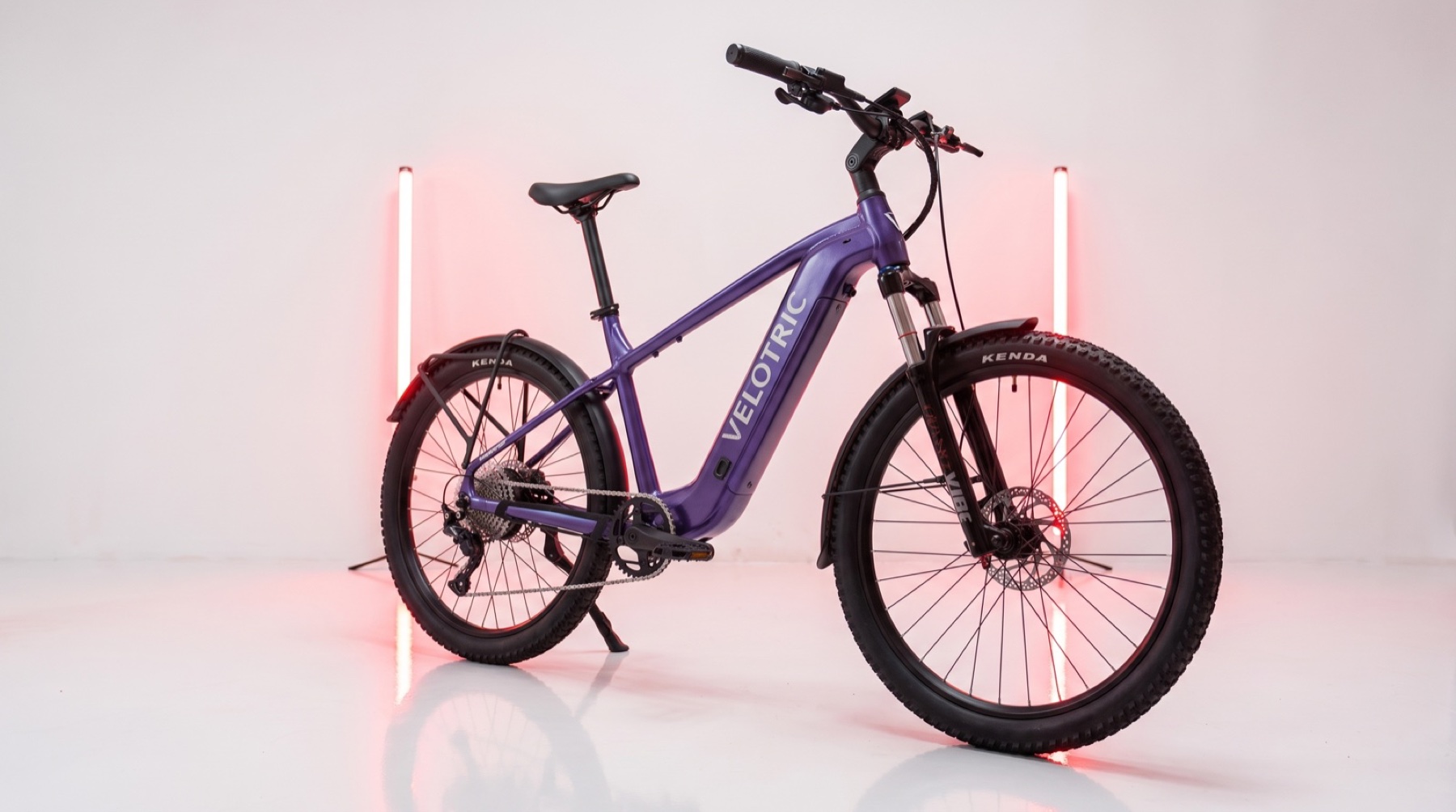
Velotric
Trail-capable hybrids with real air forks, UL certification and app-tuned power.
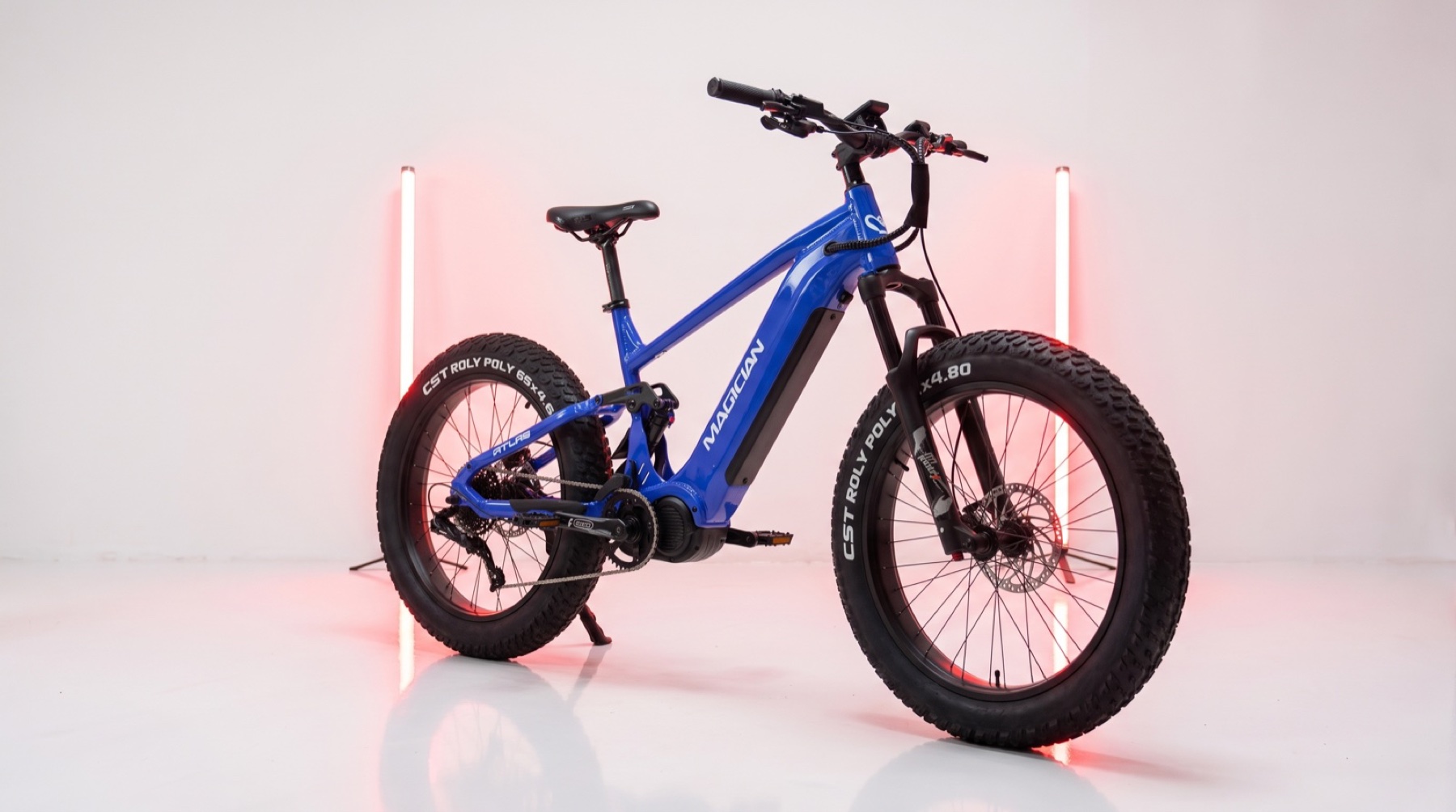
Magician
Performance bikes that punch way above their price. We GPS-tested the Alpha at 49 mph.
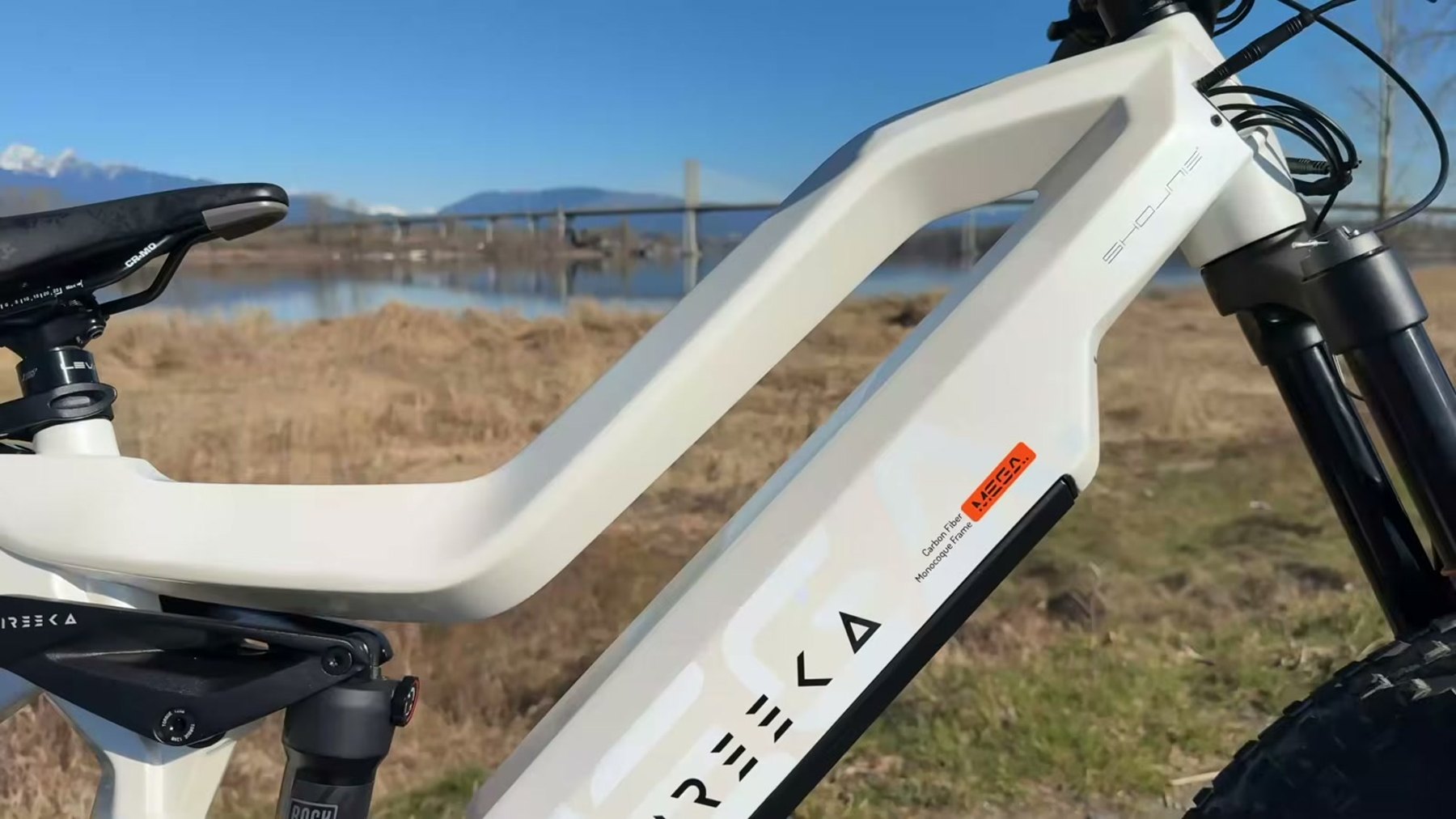
Nireeka
Every Nireeka bike we cover, with specs, prices and Ben's testing where he has ridden it.
Reviews In Progress
We’re testing the best e-MTB trail bikes
Our team is out riding and filming honest, hands-on reviews for this category. Once they land, every bike will be organized by brand right here. Check back soon — or subscribe on YouTube to catch them first.
Frequently asked questions
What makes an e-MTB different from a fat-tire e-bike?
Geometry and control, not power. An e-MTB is built around trail riding: real suspension travel front and rear, grippy tires with a proper casing, a dropper post, a wide bar, and a mid-drive motor that puts torque through the cassette so the gears still do their job on a steep climb. A fat-tire cruiser will go down a fire road; it won't hold a line on singletrack.
Mid-drive or hub motor for trails?
Mid-drive, almost always. Because the motor drives the chain, it gets to use your gears, so it keeps making torque at walking pace on a steep pitch where a hub motor is bogging and heating up. It also centres the weight low in the frame, which is what makes an e-MTB corner like a bike instead of a scooter.
Are e-MTBs allowed on mountain bike trails?
It varies more than any other question in e-biking. Plenty of systems allow Class 1 pedal-assist bikes anywhere a regular mountain bike goes, and plenty of others ban all motorized use outright. It's set by the land manager — the park, the forest district, the trail association — not by your state. Look it up for the specific trail, and don't assume last year's answer still holds.
How are e-MTBs scored here?
Electric mountain bikes get scored on the Top To Bottom MTB rubric, which is a different scale from the Cave Score used elsewhere on this site. Seven categories — motor, climbing, descending, suspension, handling, fun, and the small things — each scored from −3 to +3, for a total out of 21. A negative is real and it means the bike is worse than average in that area. It is never converted into a mark out of ten.
Full suspension or hardtail?
Full suspension if you ride rough, rocky or fast descents — the rear wheel stays on the ground, so you keep traction and your body takes less of a beating over a long ride. Hardtail if your trails are smoother and flowier, or if the budget is tight: you get better parts for the money, less to maintain, and a bike that rewards clean line choice.
How much range do you get on singletrack?
Far less than a road number, and that's normal. Climbing is where a battery gets spent, and trail riding is mostly climbing and coasting. Ride in the lowest assist mode that still feels good and you can often double your ride time; ride everything in boost and you'll be pedalling a heavy bike home.