
Haul Kids & Gear
Cargo
Do-it-all haulers built to carry kids, groceries and gear — low center of gravity, long wheelbase and serious payload. Every cargo bike here is one we load up and test.
The fifteen best cargo e-bikes, ranked on payload, brakes and frame stiffness — the numbers that matter when it replaces a car.
Lectric
Haul kids, groceries and gear — Lectric's redesigned cargo bike and folding eTrike carry up to 450 lbs for a fraction of a car.
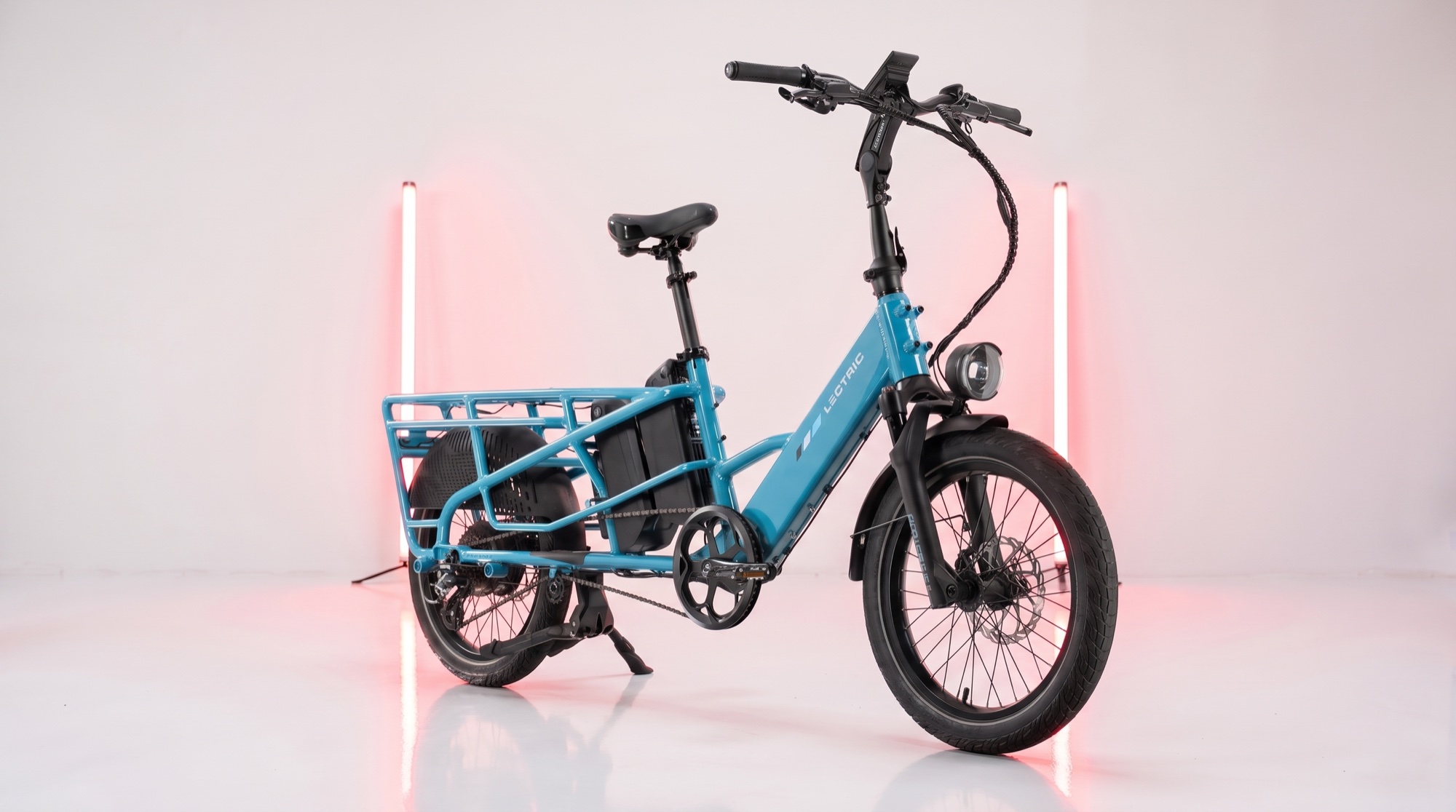
XPedition2
Tested in 104°F Phoenix heat — 28 mph pedalling, a stop well inside 20 ft, and 600–700W steady under a 450 lb payload.
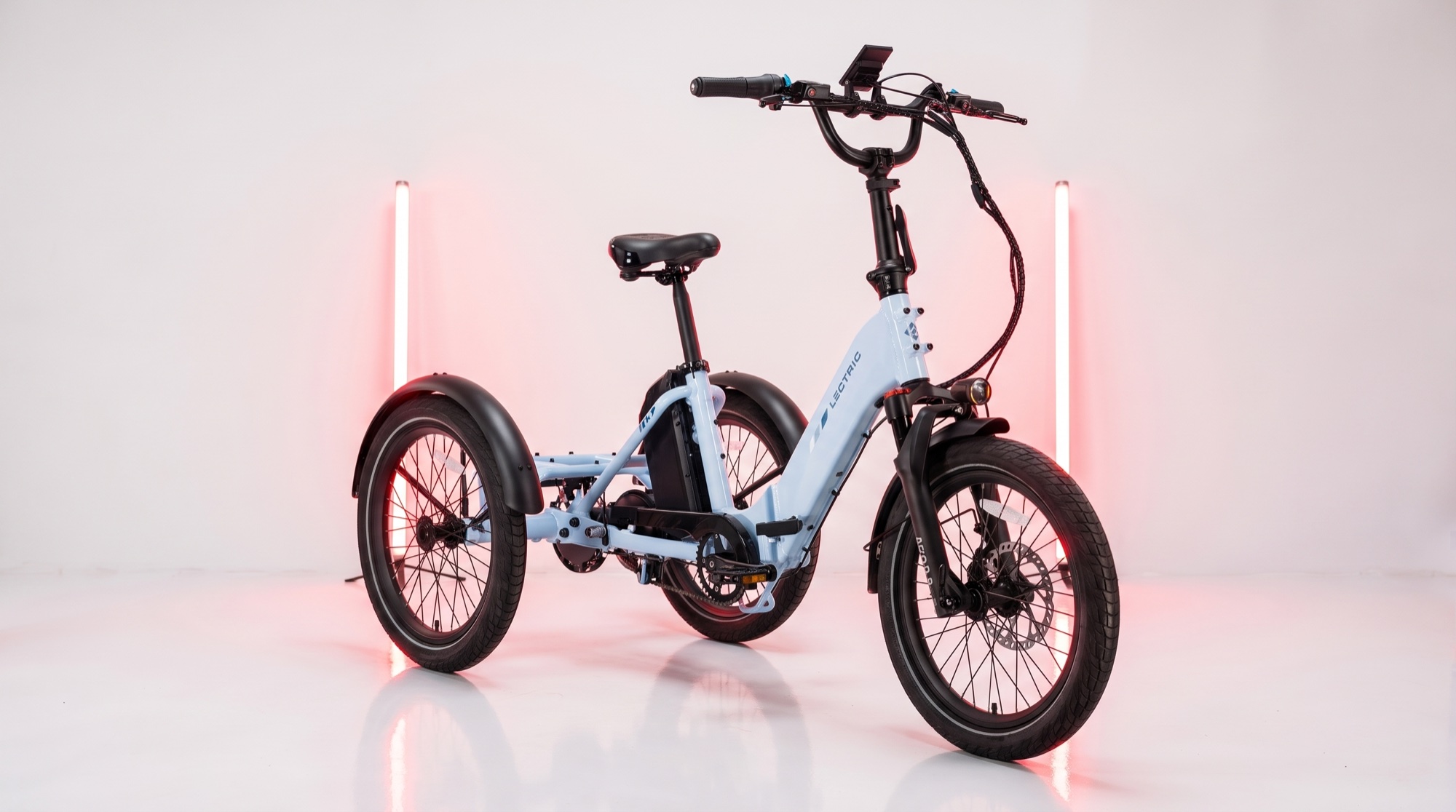
XP Trike2
America's best-selling eTrike — folding, with a class-low 13.8″ stand-over, a rear differential axle and up to 50 miles of range.
Aventon
Torque-sensing cargo haulers with big payloads, long racks and full ACU smart-bike connectivity.
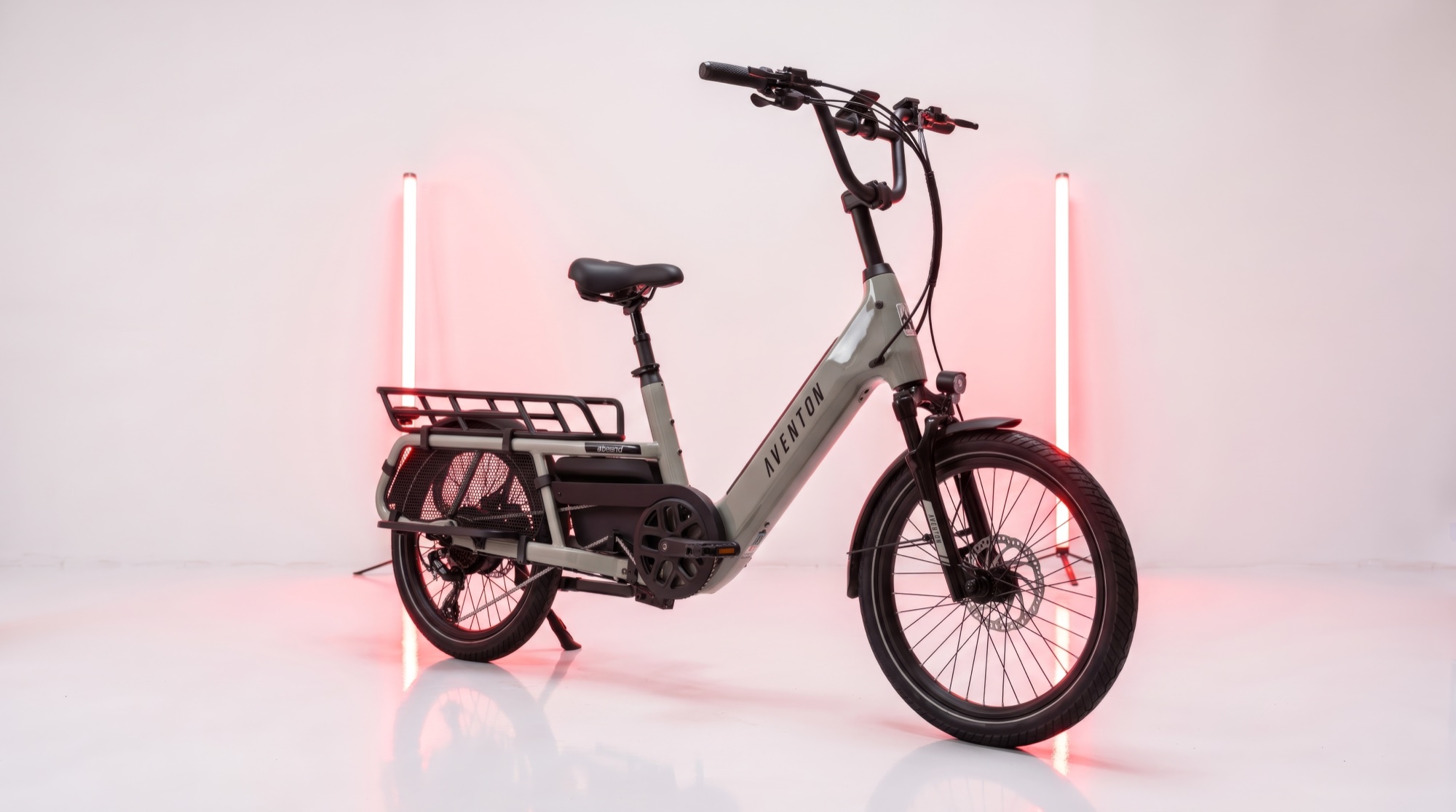
Abound LR
Aventon's long-rack hauler — a 750W (1188W peak) torque-sensing hub, a long rear deck and a huge 440 lb payload for kids, cargo or the grocery run.
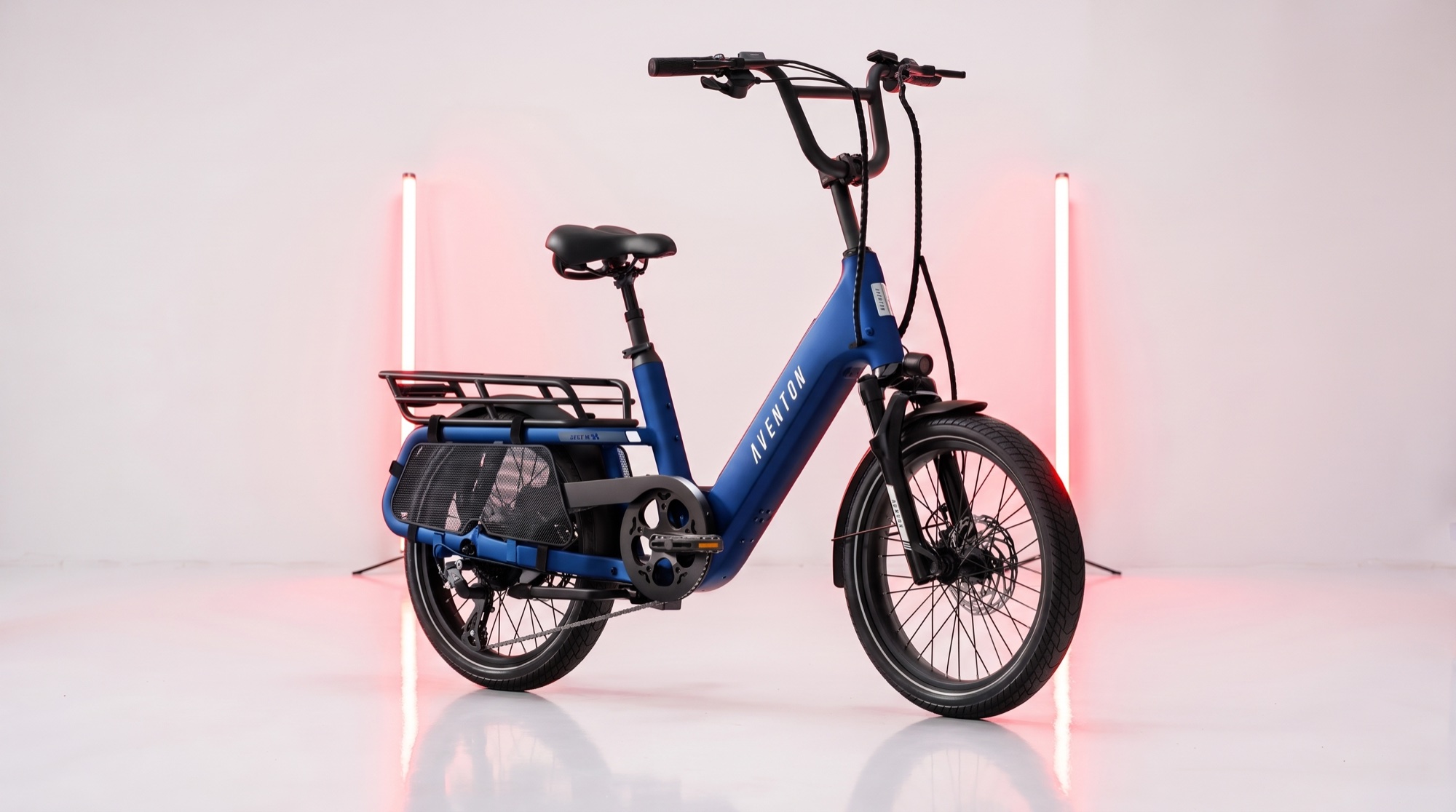
Abound SR
The compact-frame Abound — the same 750W torque-sensing drivetrain and 440 lb payload as the LR, in a shorter, easier-to-park package.
Velotric
Utility three- and two-wheel haulers — 500 lb payloads, passenger kits and differential-axle stability.
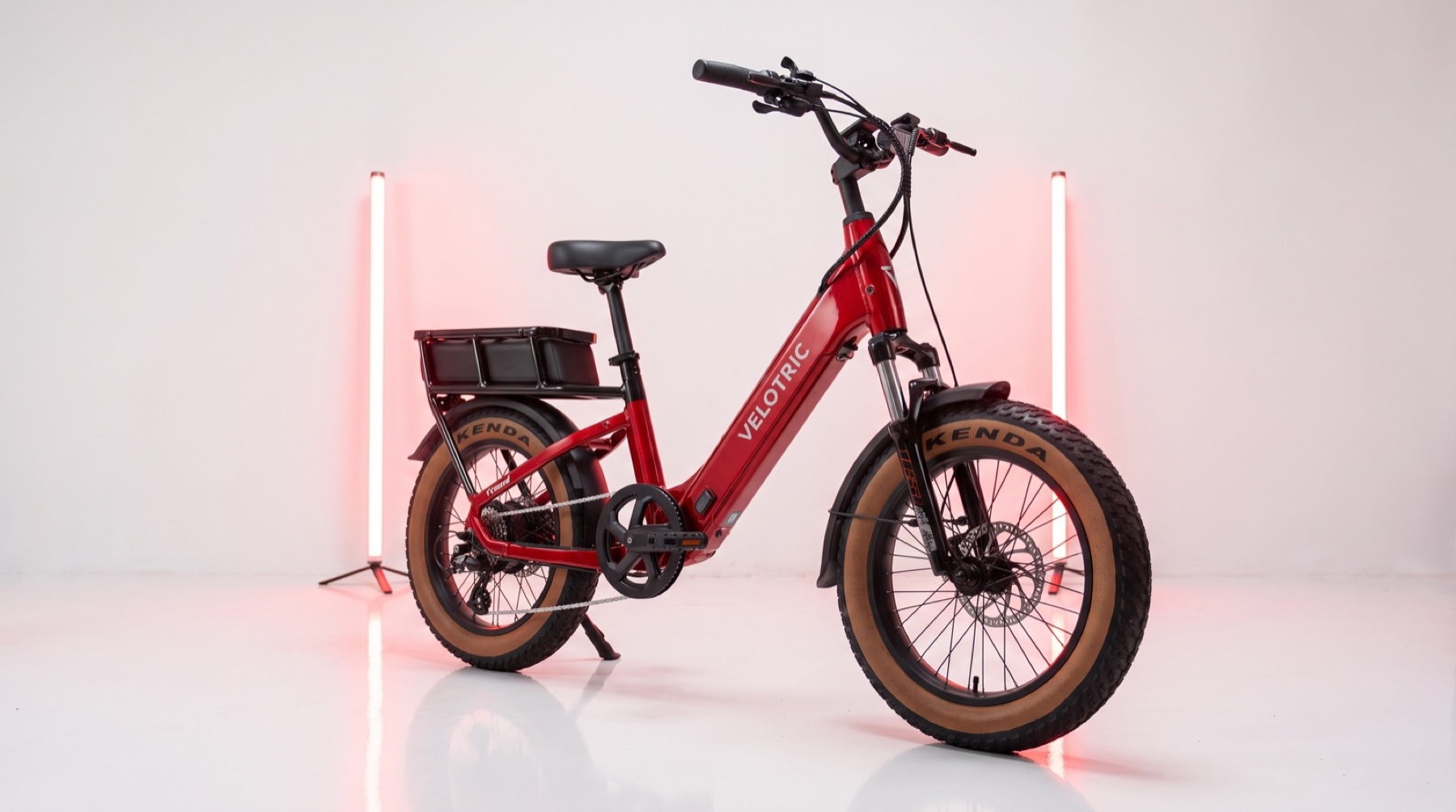
GoMad
Velotric's utility hauler — a 500 lb payload, a 176 lb MIK HD rack with passenger-kit options, and up to 150 miles with the second battery.
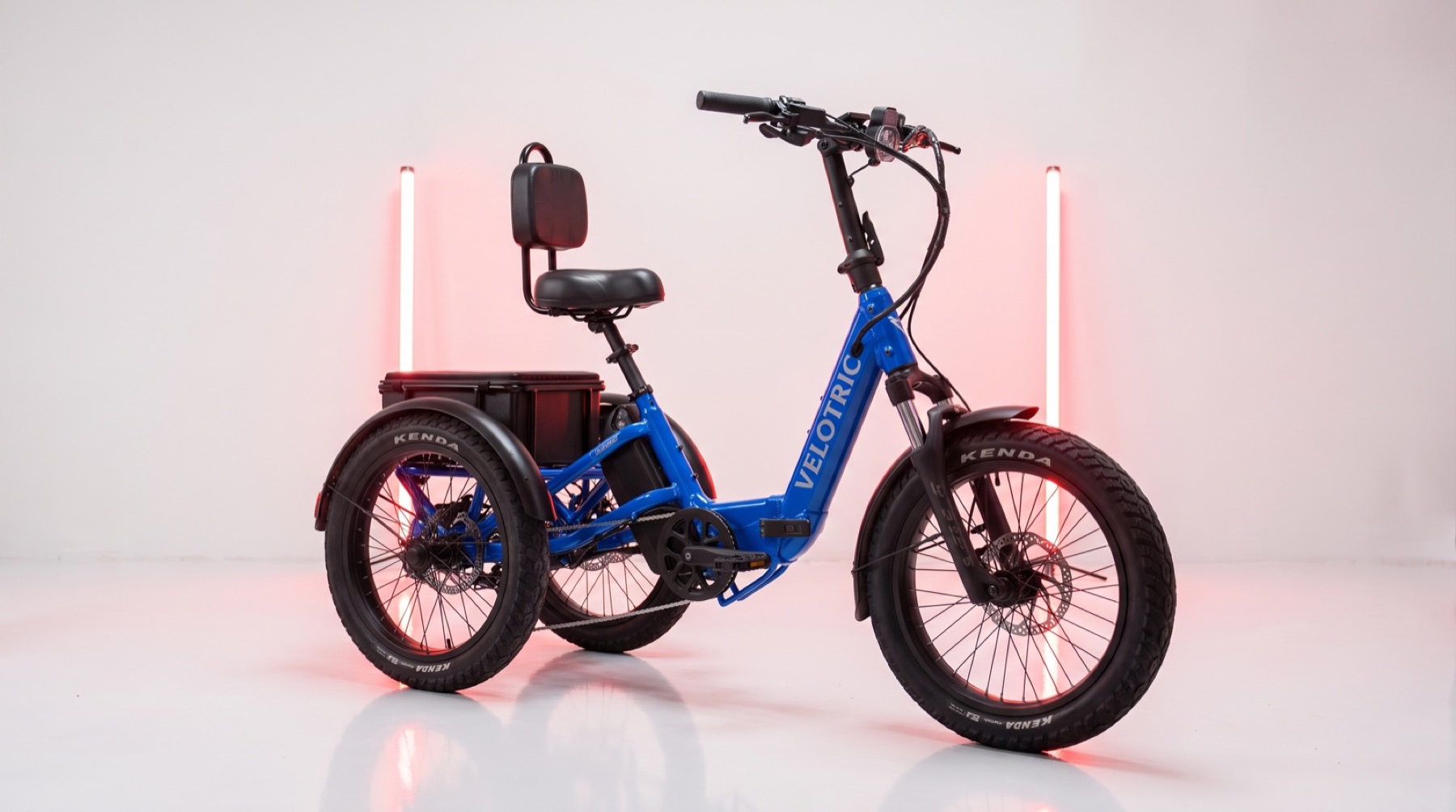
Triker
A three-wheeler with a rear differential so it corners without wheel hop — 500 lb payload, big rear basket and an 8 mph beginner mode.
Reviews In Progress
We’re testing the best cargo e-bikes
Our team is out riding and filming honest, hands-on reviews for this category. Once they land, every bike will be organized by brand right here. Check back soon — or subscribe on YouTube to catch them first.
Frequently asked questions
How much can a cargo e-bike actually carry?
Read two numbers, not one. Total payload is rider plus cargo plus accessories — the Lectric XPedition 2, for example, is rated at 450 lbs total. Rear rack capacity is separate and always lower; on that same bike it's 300 lbs. Subtract your own body weight from the total payload and what's left is your real cargo budget.
Can you carry kids on one?
Yes, and it's the main reason most people buy one. You want a purpose-built seat or bench with a footrest and a rail your child can hold, a rear rack rated well above their weight, and a bike that stays planted with the load high and behind you. Helmets on everyone, and take a few laps of an empty parking lot before the school run.
Long-tail or front-loader?
Long-tail — the stretched rear rack type — rides most like a normal bike, fits in a normal garage, and is easier to learn. A front-loader box bike carries more, keeps the load in front of you where you can see it, and is better for bulky items, but it's longer, heavier and steers through linkage that takes getting used to. For kids and groceries, long-tail wins for most people.
What happens to range when the bike is loaded?
It drops, and the claimed number was never a loaded number. Every extra pound has to be accelerated from every stop sign, and cargo riding is full of stop signs. If the miles matter, buy the bigger battery option rather than hoping — most cargo bikes here offer a dual or larger-amp-hour pack for a few hundred dollars.
Do you need better brakes on a cargo bike?
You need hydraulic discs, minimum, and you should look at how the bike stops with weight on it rather than how it stops empty. A loaded cargo bike carries far more momentum than a normal e-bike, and the moment that matters is a kid stepping off a curb. Bigger rotors and four-piston calipers are worth paying for here.
Where do you store one?
Measure first. Long-tails typically add a foot or two of length over a standard bike and won't fit a compact bike rack, a narrow hallway or the back of a small elevator. Check your garage door swing, your storage room and whether you can wheel it up a step, because a 70 lb bike you can't park easily is a bike you stop riding.