
Everyday City Riding
Commuter
Reliable, comfortable e-bikes built for the daily grind — bike-lane friendly, easy to park, and ready for your ride to work. Every commuter here is one we put through real-world testing.
The fifteen best commuter e-bikes, ranked on the things that actually matter after month three: reliability, lights, fenders and drivetrain.
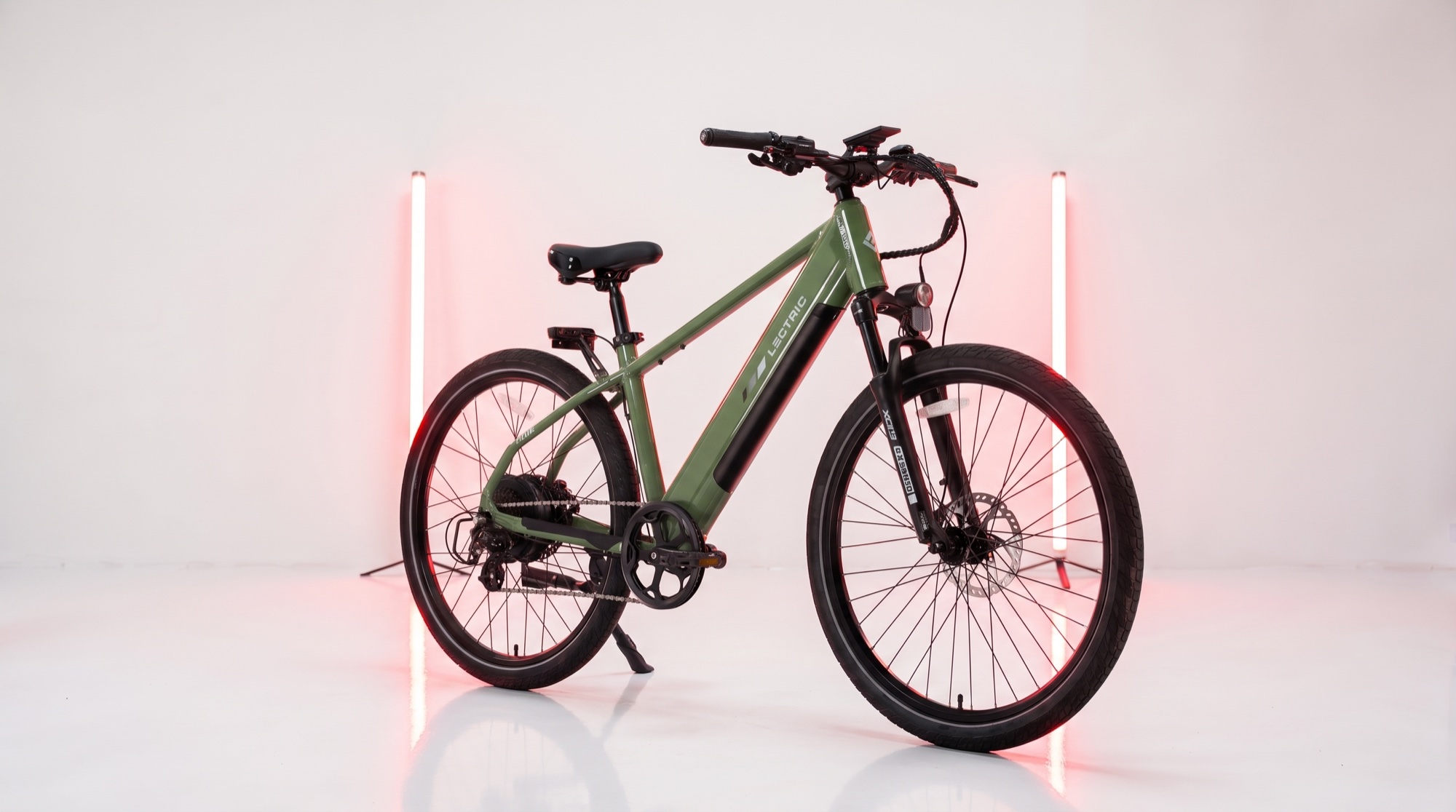
Lectric
Elevated everyday commuters with suspension forks, hydraulic brakes and real gearing — at direct-to-consumer prices.
Heybike
Comfortable, app-connected commuters — light low-step frames, dual sensors and big batteries built for the daily ride.
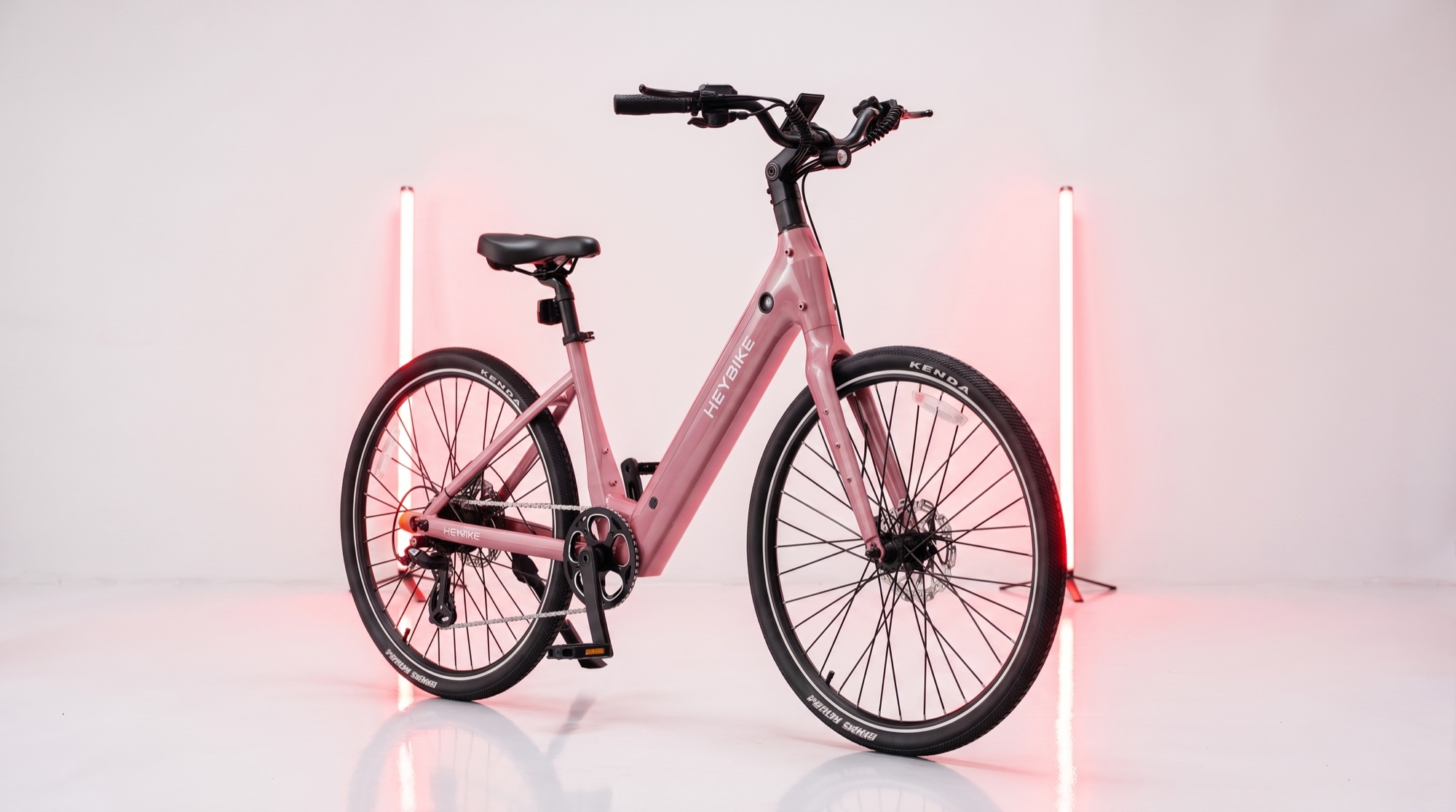
Venus
A light low-step city cruiser on fast 27.5-inch wheels with dual torque+cadence sensors and up to 85 miles of range.
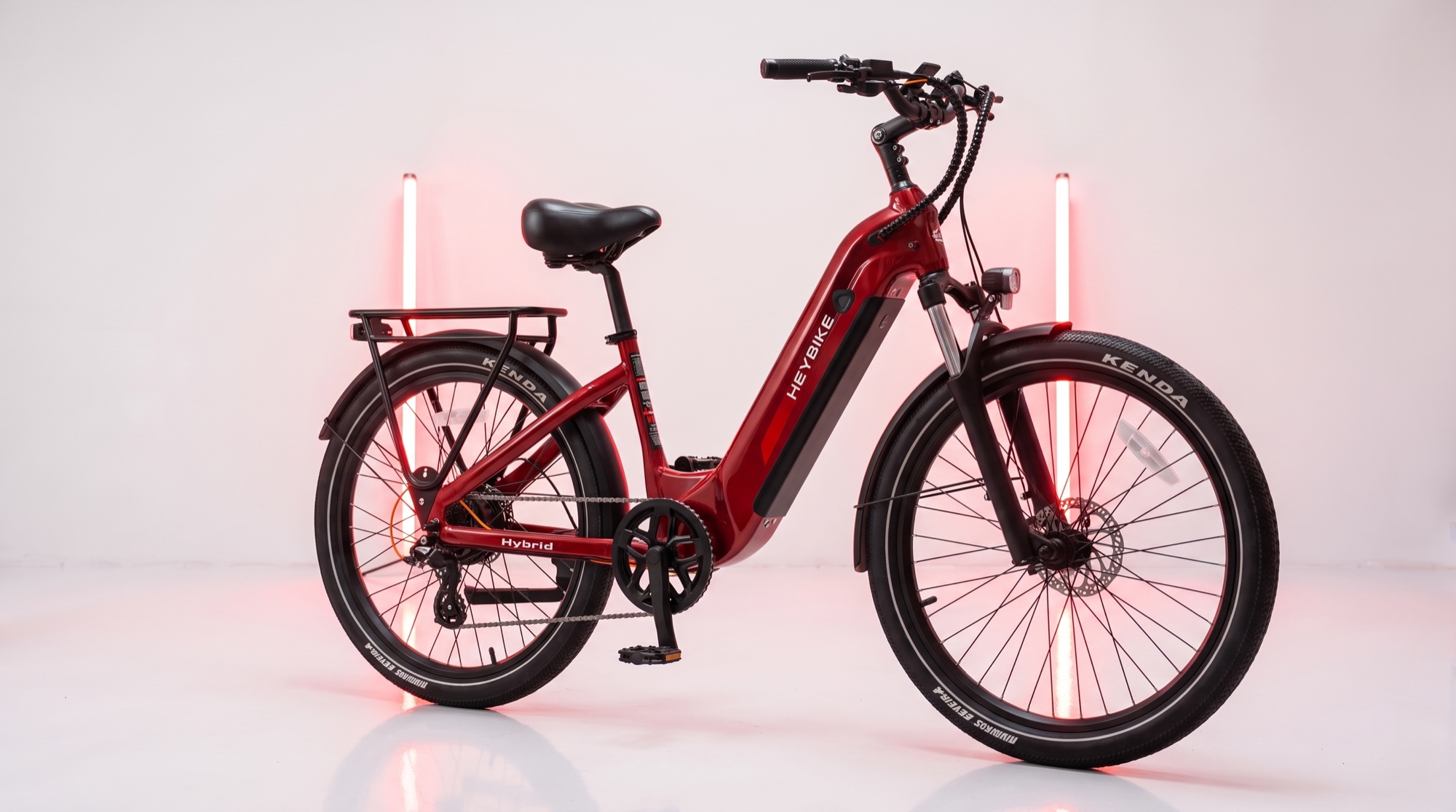
Hybrid
A do-everything step-through commuter with dual sensors, Tektro hydraulics and an 864Wh battery tested to 100 miles.
Ride1Up
From an SUV-style all-rounder to a 28.6 lb carbon gravel bike and a German Brose mid-drive — Ride1Up's versatile commuters.
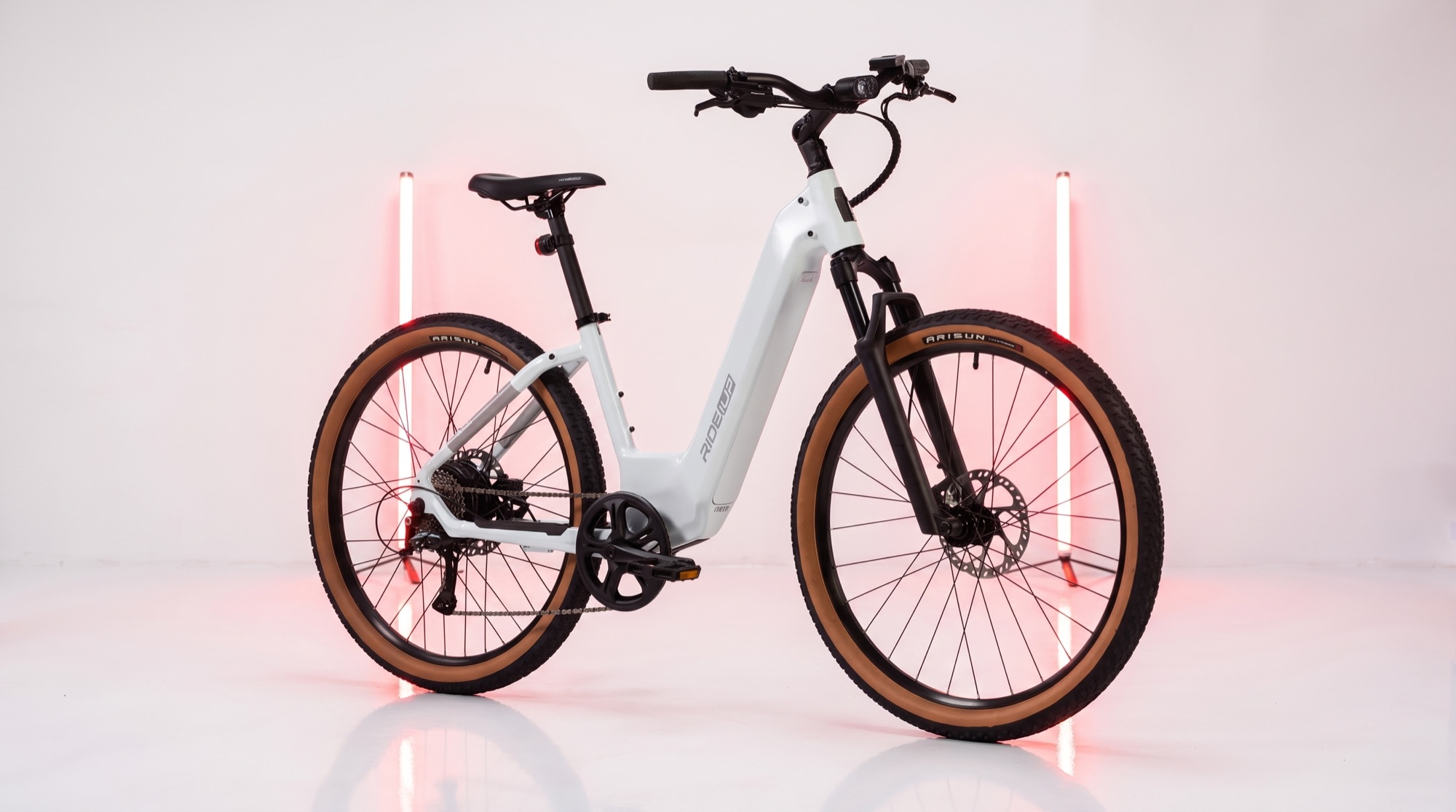
Vorsa
Ride1Up's do-everything SUV bike, and the most natural-pedalling e-bike I have ridden in a long time. It held 16 mph up a 15% grade on throttle alone, hit exactly the 28 mph they claim, and did 26 miles with 44% still in the pack. The 180mm front rotor is the wrong way round and never really grabs.
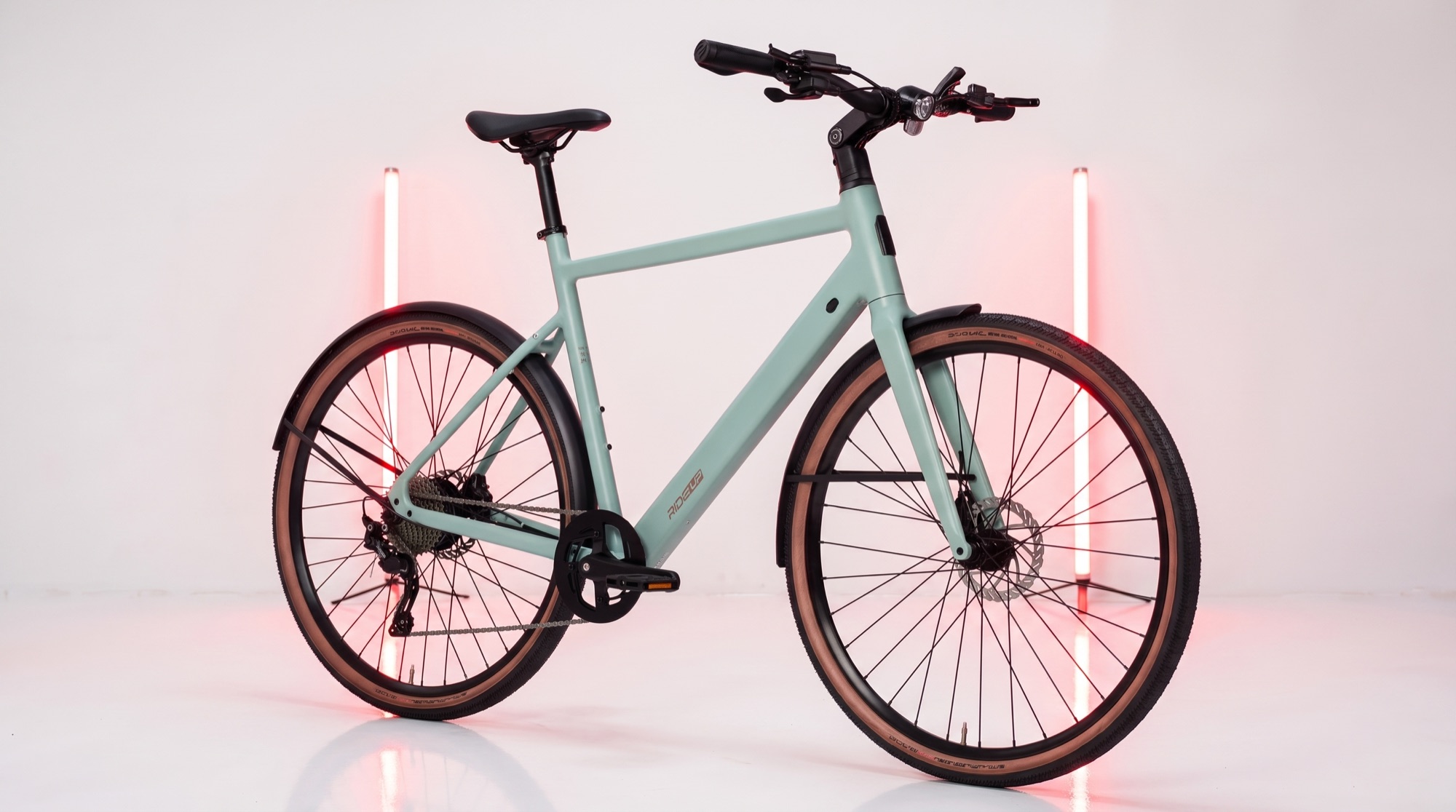
Roadster V3
The e-bike that hides it — a ~40 lb stealth commuter with a quiet 500W hub, a battery hidden in the down tube and an optional silent Gates carbon belt.
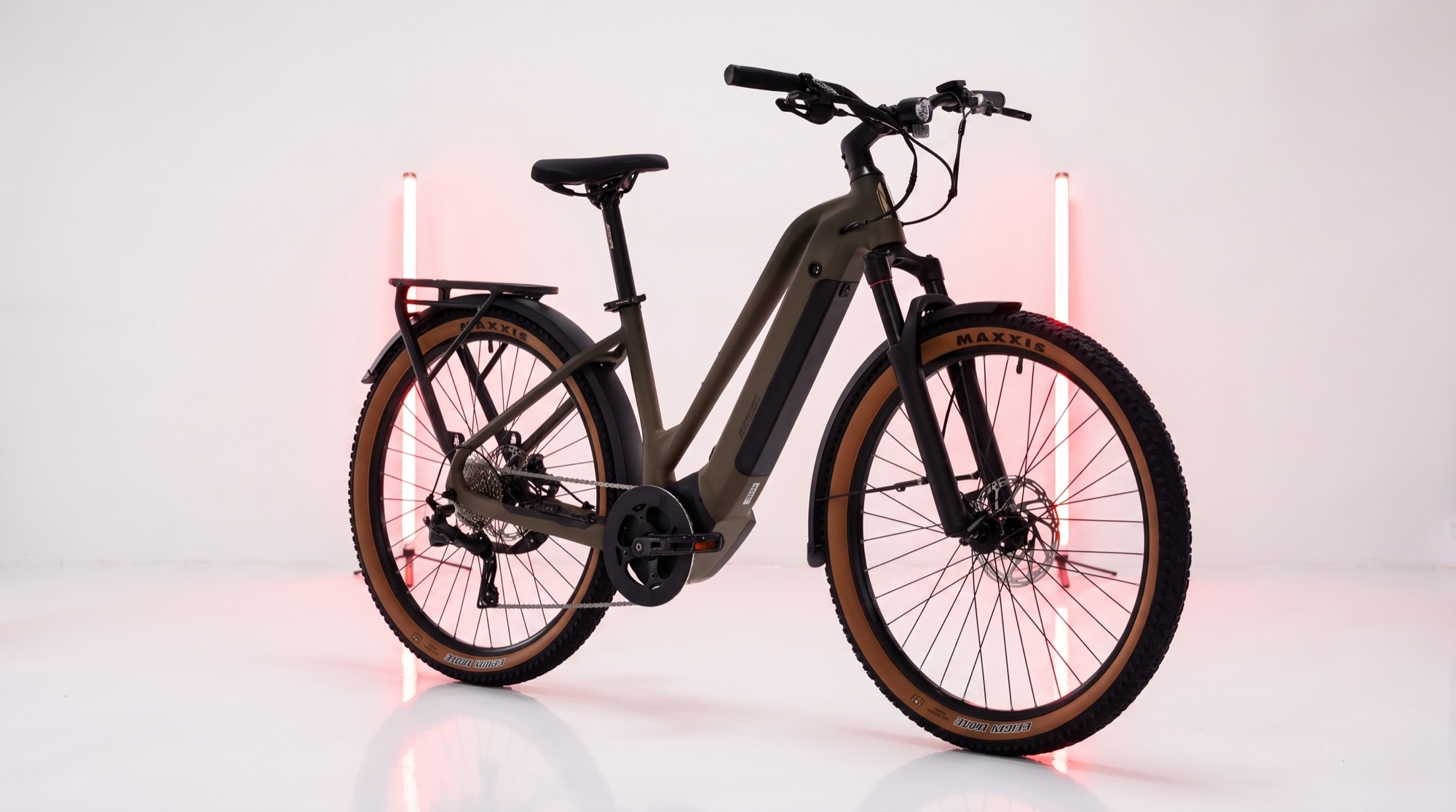
Prodigy V2
German mid-drive on a budget — a Brose TF Sprinter with 90Nm, torque-sensed and quiet, in a 9-speed chain or silent Gates belt-CVT trim.
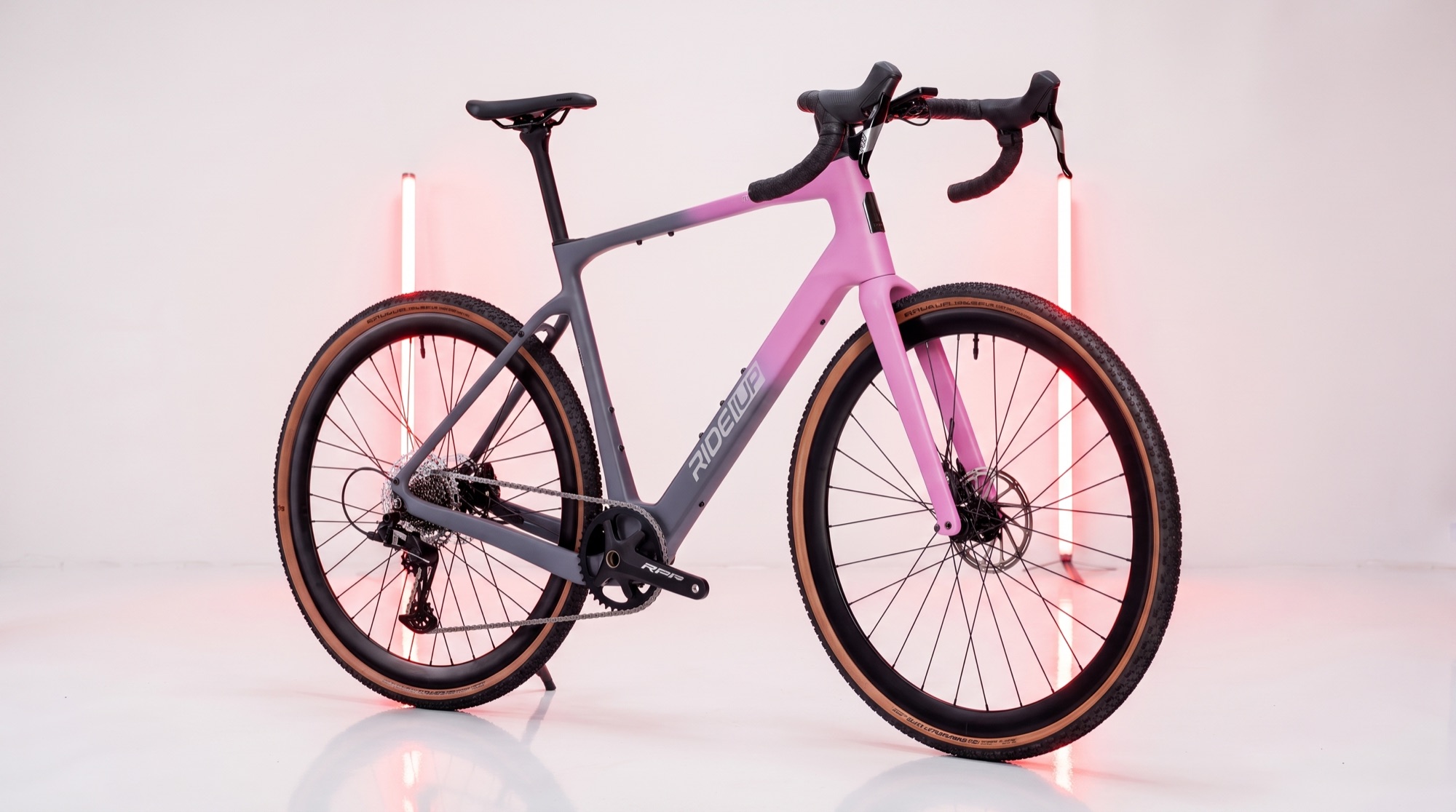
CF Racer1
A carbon-fibre gravel e-bike that weighs just 28.6 lbs — a SRAM Apex 12-speed groupset, a hidden 250W hub and 700c tubeless tyres. Assist you can barely see.
Aventon
Torque-sensing commuters and cruisers — from the best-selling Level line to featherweight belt-drive city bikes and easy step-through Paces.
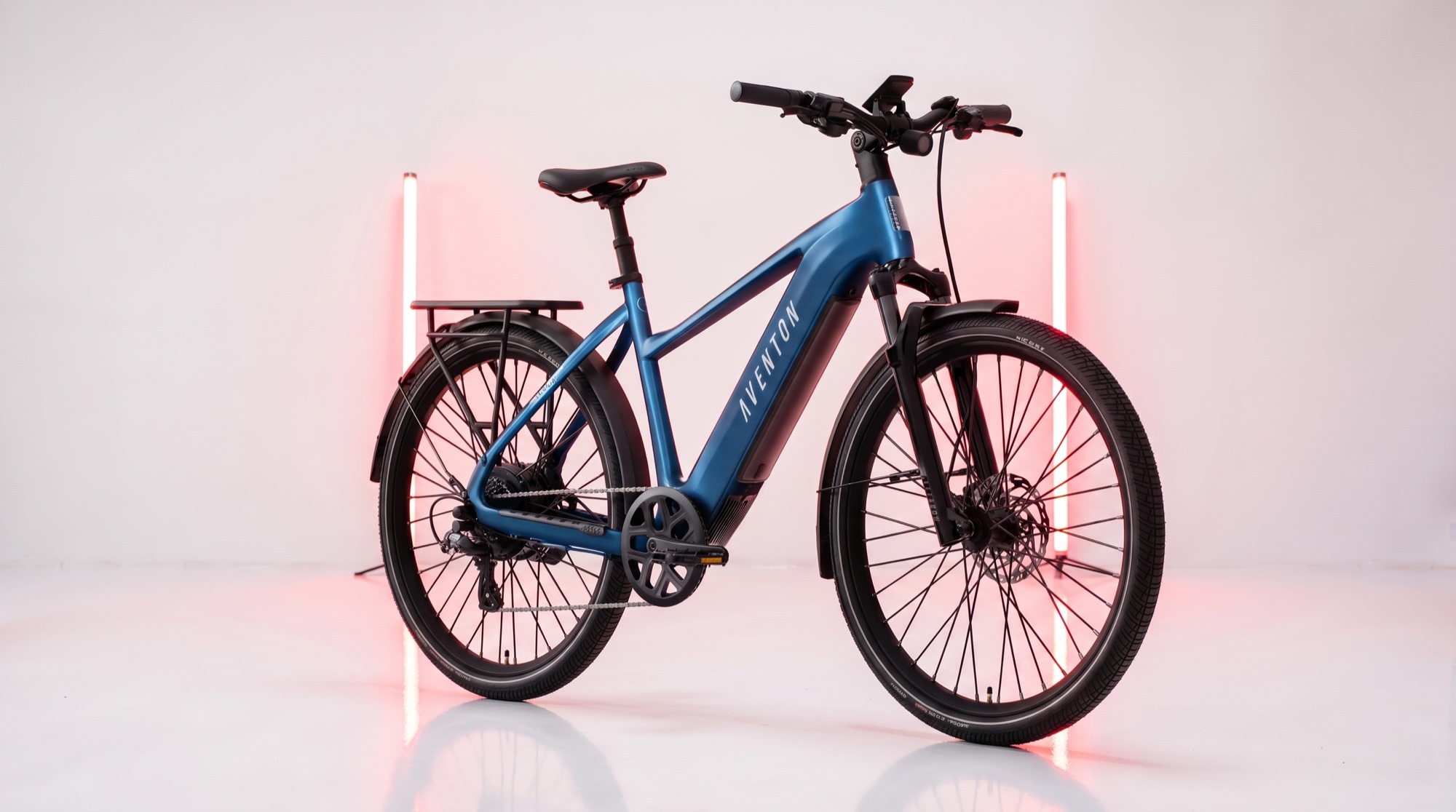
Level 4 REC
The value Level 4 — a punchy 750W hub (1188W peak), a 733Wh battery for up to 75 miles and hydraulic brakes with e-cutoff.
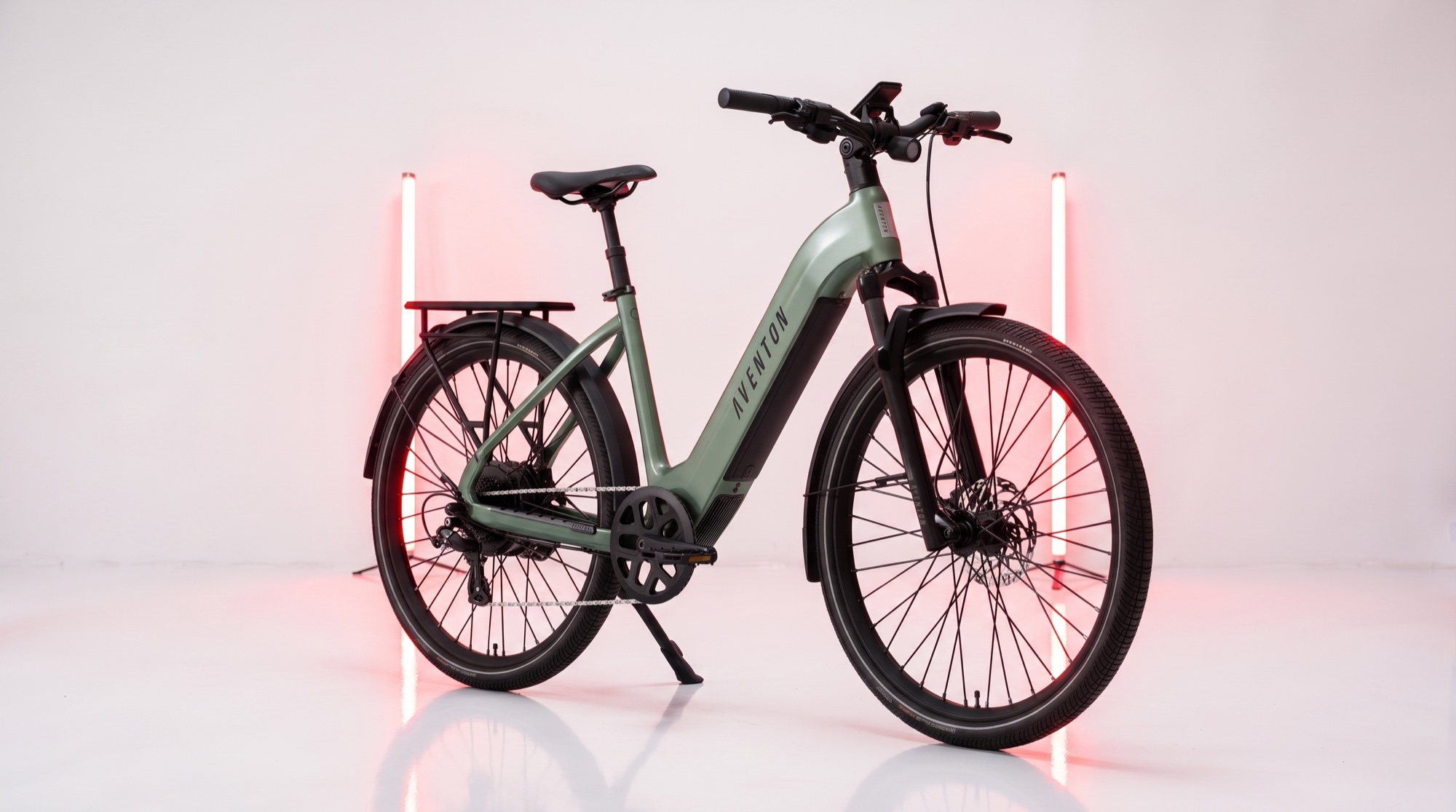
Level 4 REC Step-Through
The easy-mount value Level 4 — the same punchy 750W hub, 733Wh battery and up-to-75-mile range, in a low step-through frame.
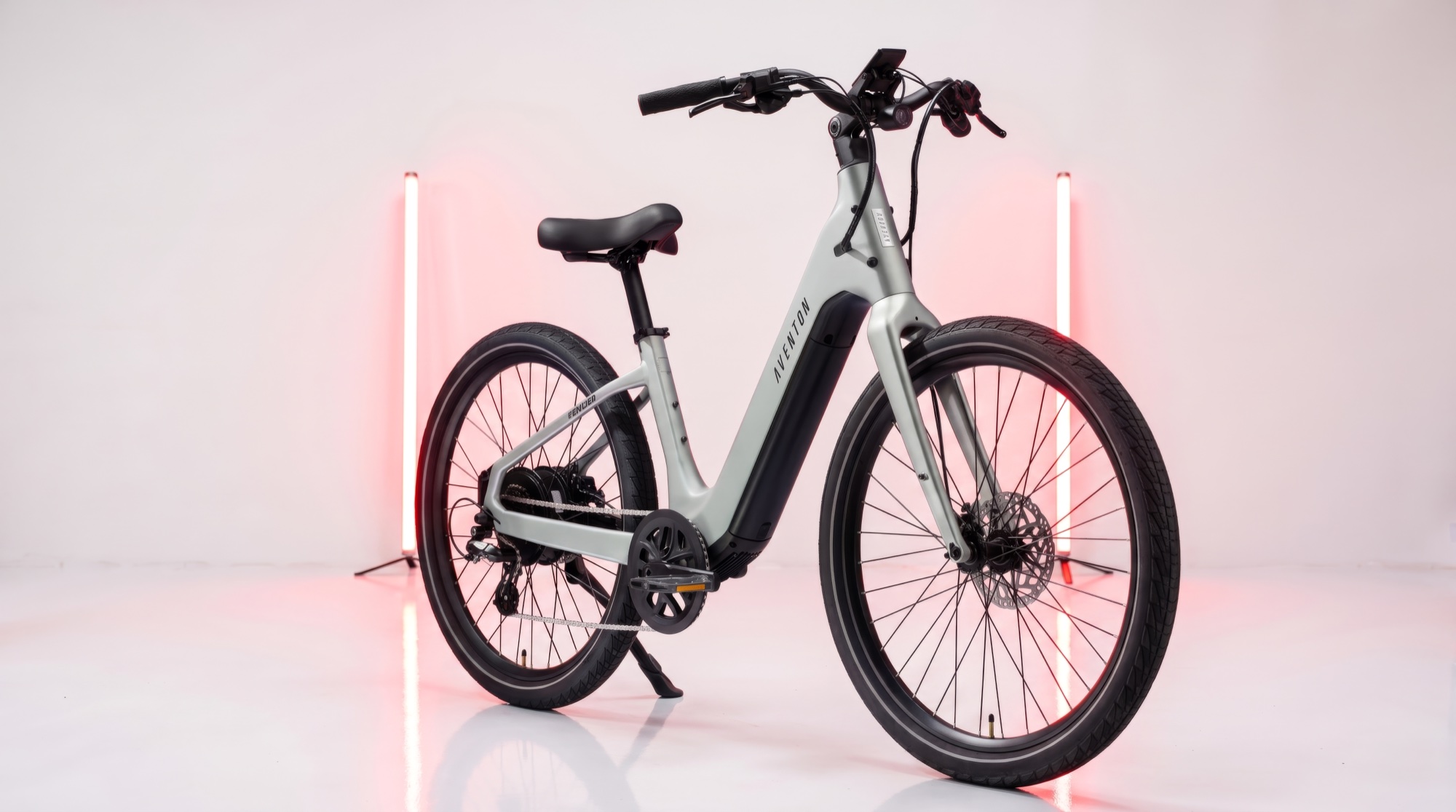
Pace 5 REC
The Pace with more muscle — a stronger 750W hub (1440W Boost), a 330 lb payload, regen braking and up to 75 miles, in an easy cruiser.
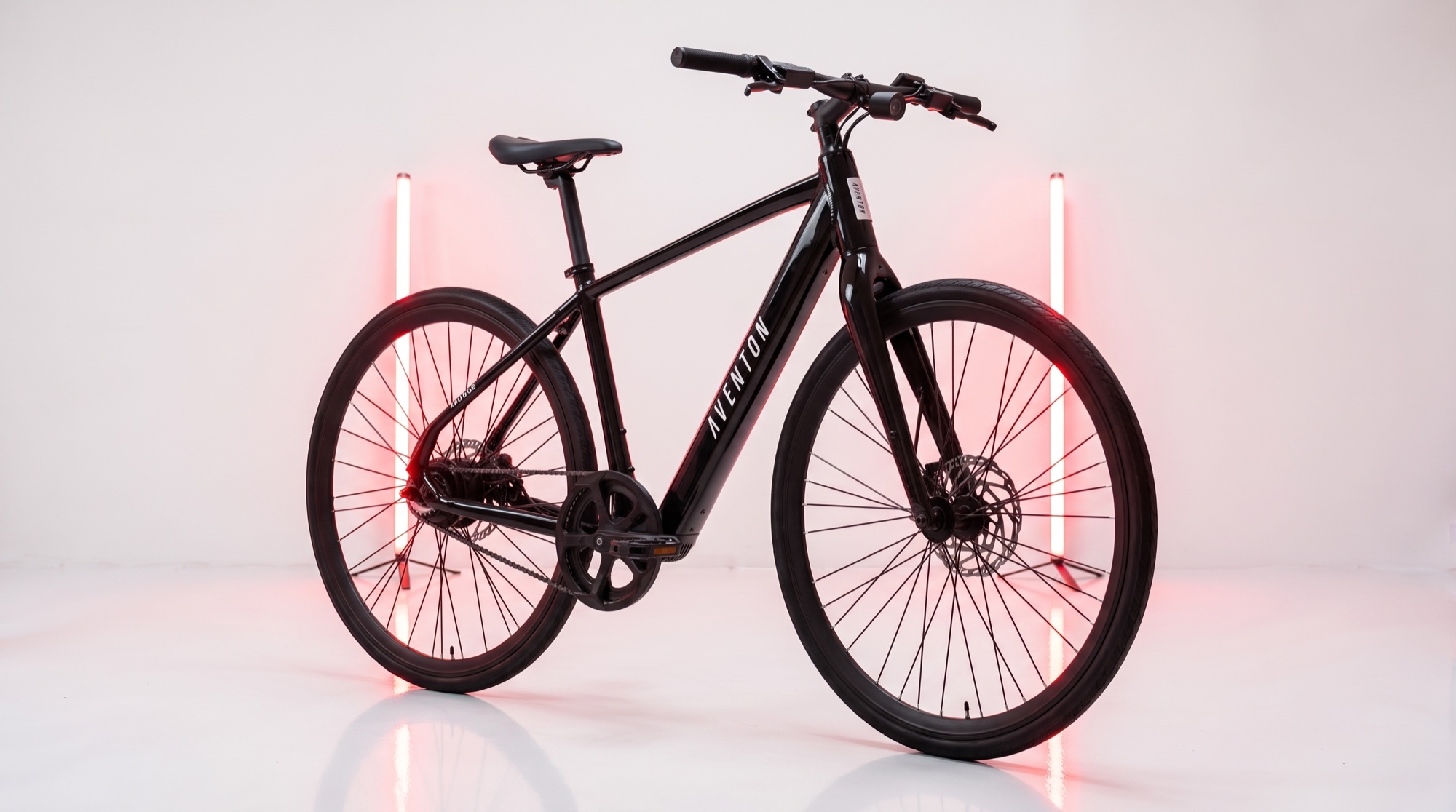
Soltera 3
The featherweight — a 37 lb belt-drive city bike with a maintenance-free Gates belt, hydraulic brakes and up to 70 miles of silent range.
Velotric
UL-certified commuters with torque sensors, Apple Find My and honest range — from a 39 lb city flyer to Velotric's first mid-drive.
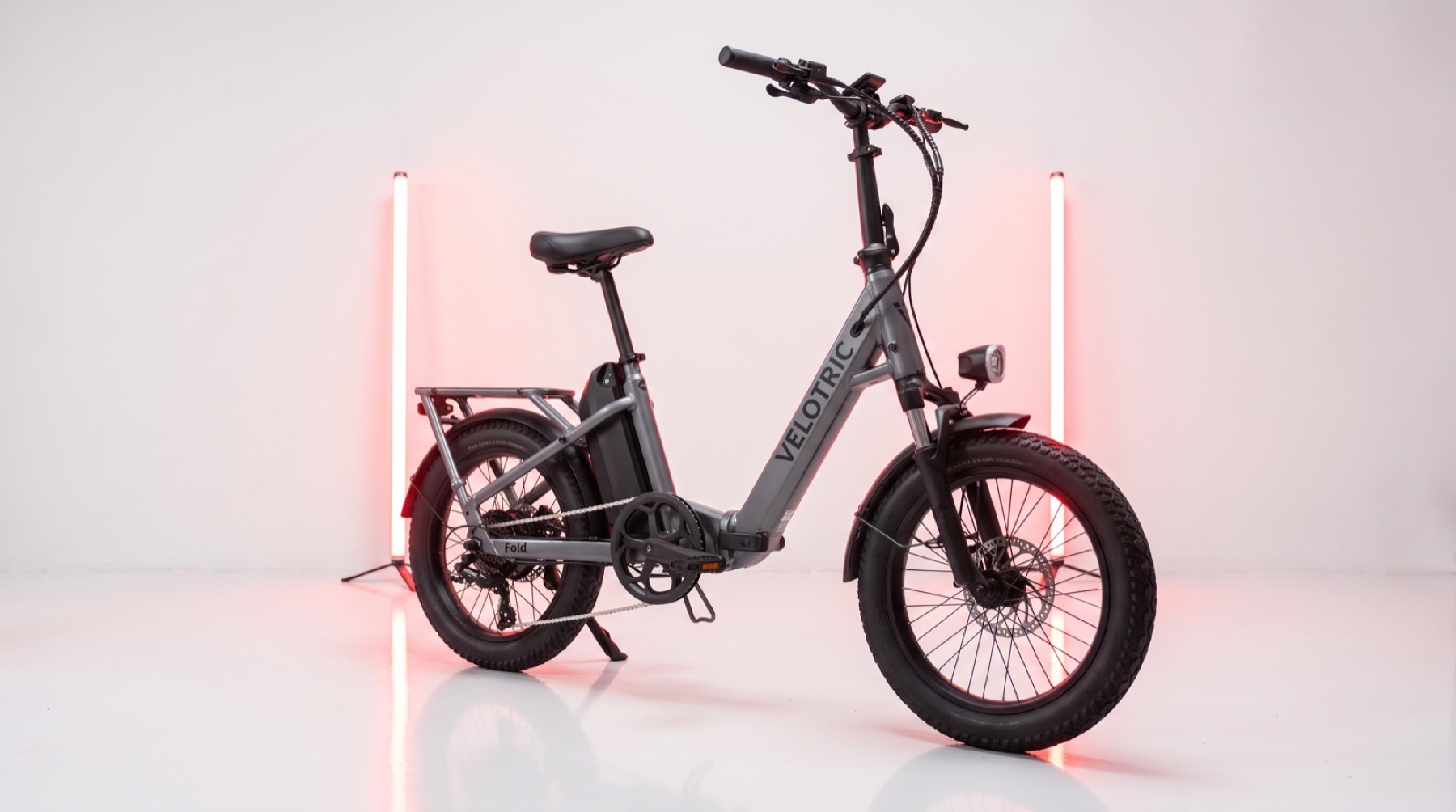
Fold 1
A 750W folder with hydraulic discs and a 440 lb payload that packs down to 38 inches — closet, trunk or RV.
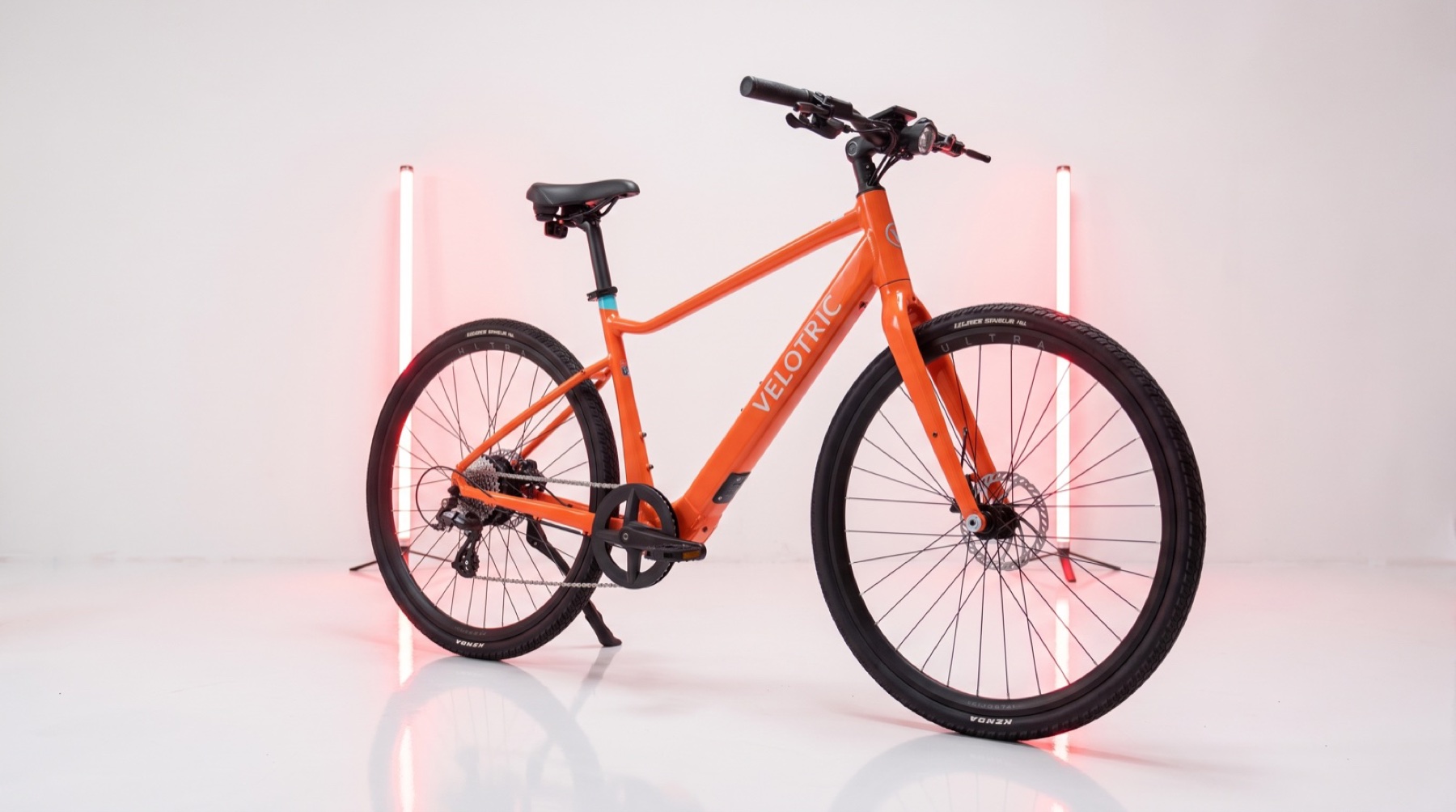
T1 ST Plus
A 39 lb step-through fitness commuter with Velotric's best torque sensor — no throttle, just a strong tailwind to 28 mph.
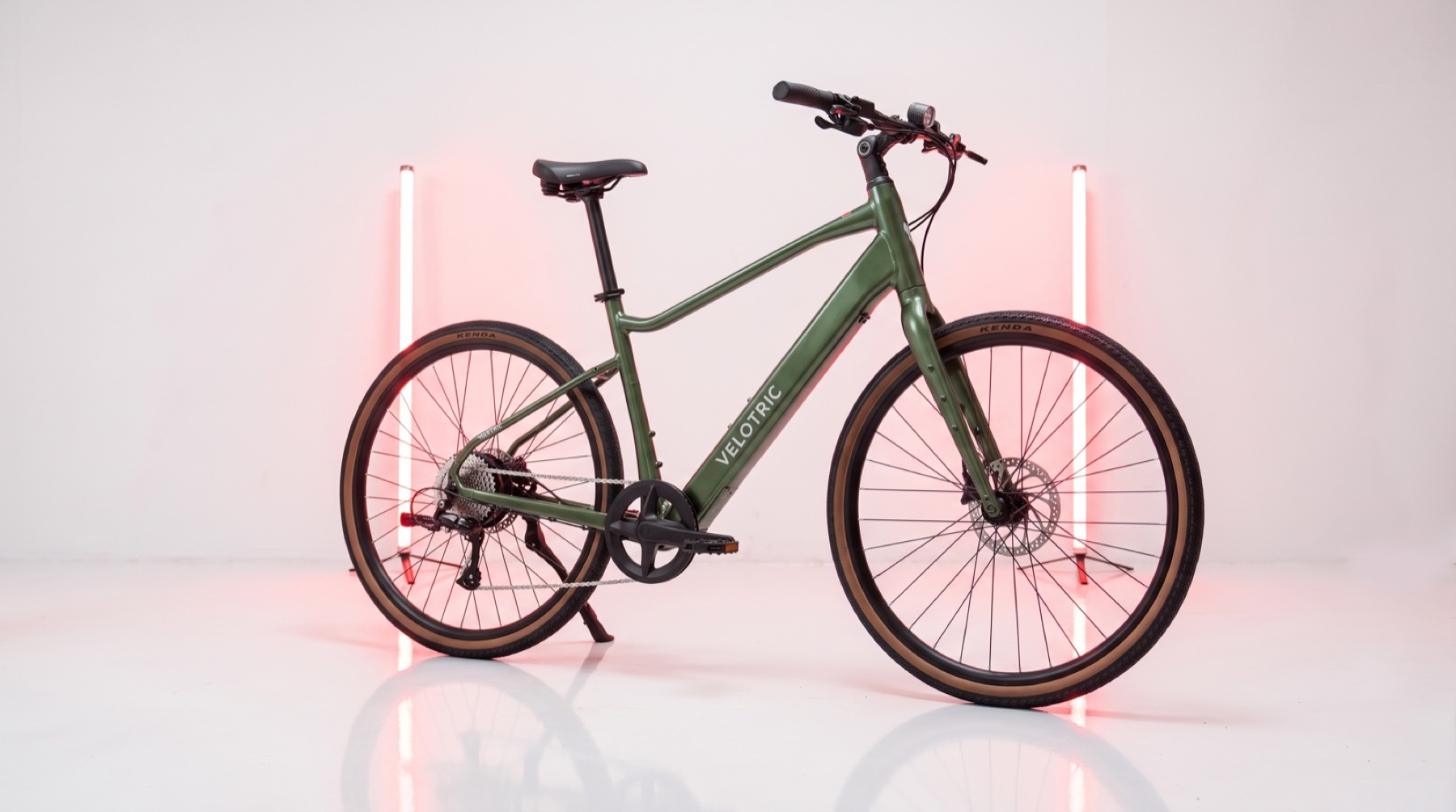
Tempo
The e-bike for people who don't like e-bikes — 39 lb, dead quiet and snappy. Ben confirmed 28 mph and scored it 9.1.
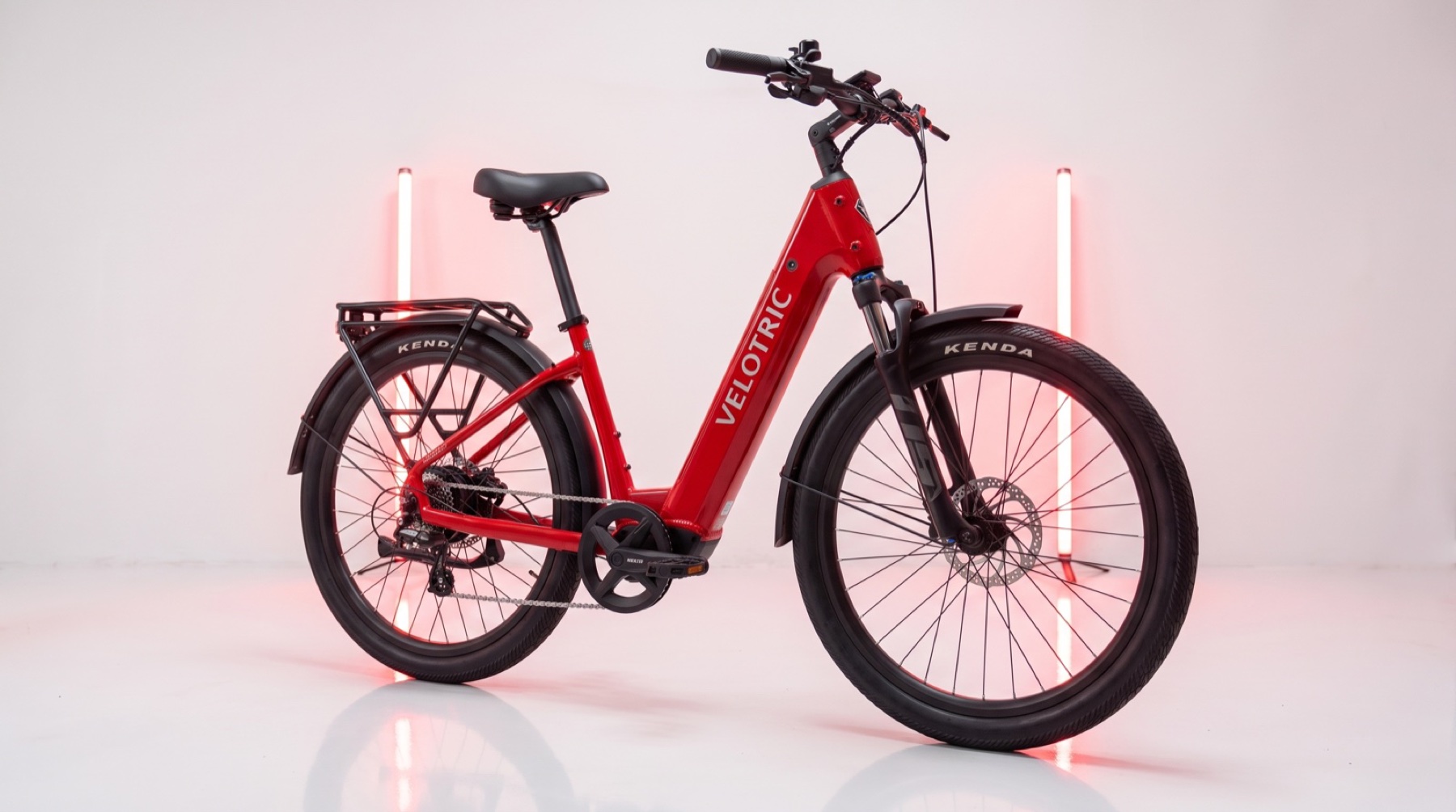
Discover 2
Ben's 9.5-scored value commuter — a 750W torque-sensing hub, turn signals, full UL certification and up to 75 miles.
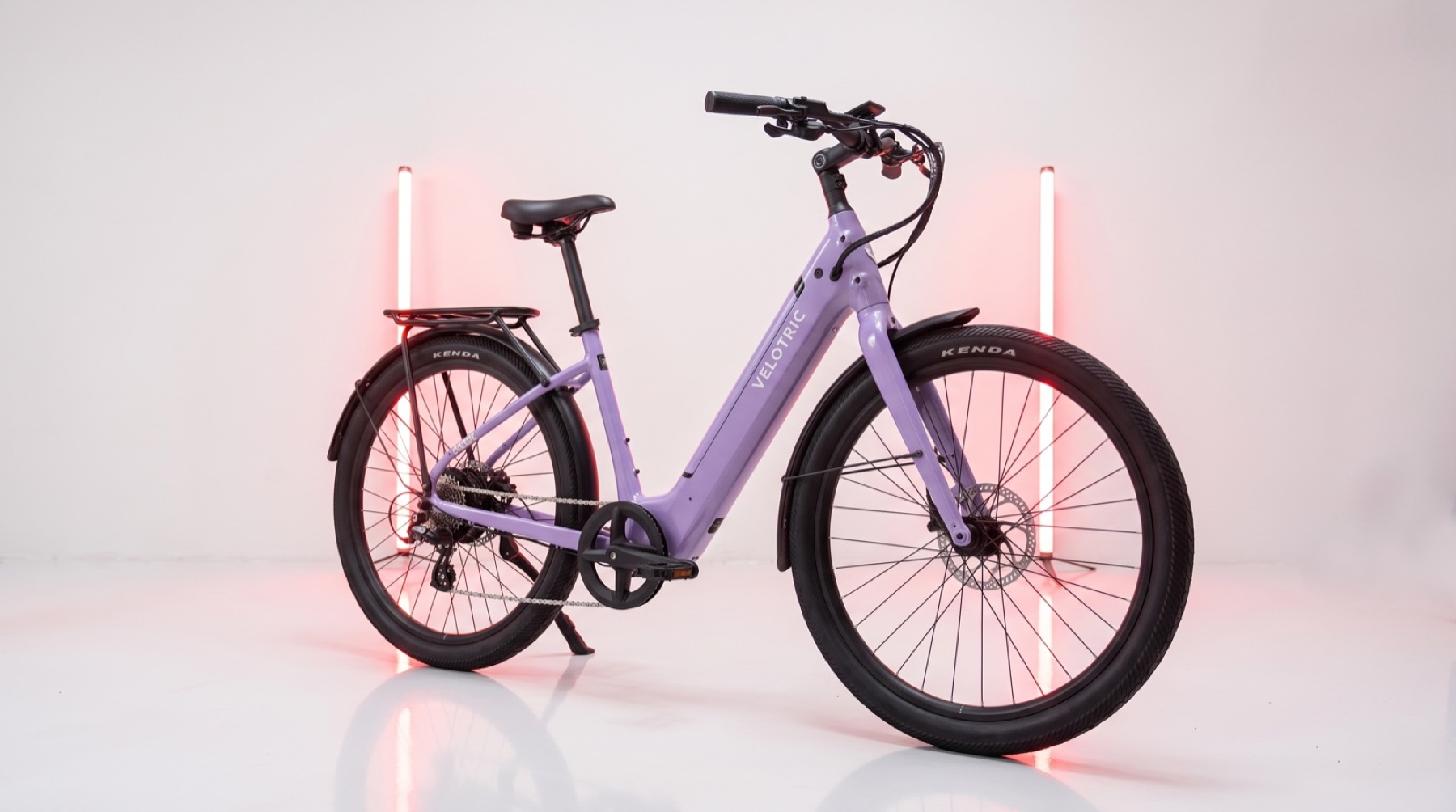
Breeze 1
A relaxed 750W cruiser with SensorSwap, cruise control and up to 70 miles of range — Ben gave it a 9.2.
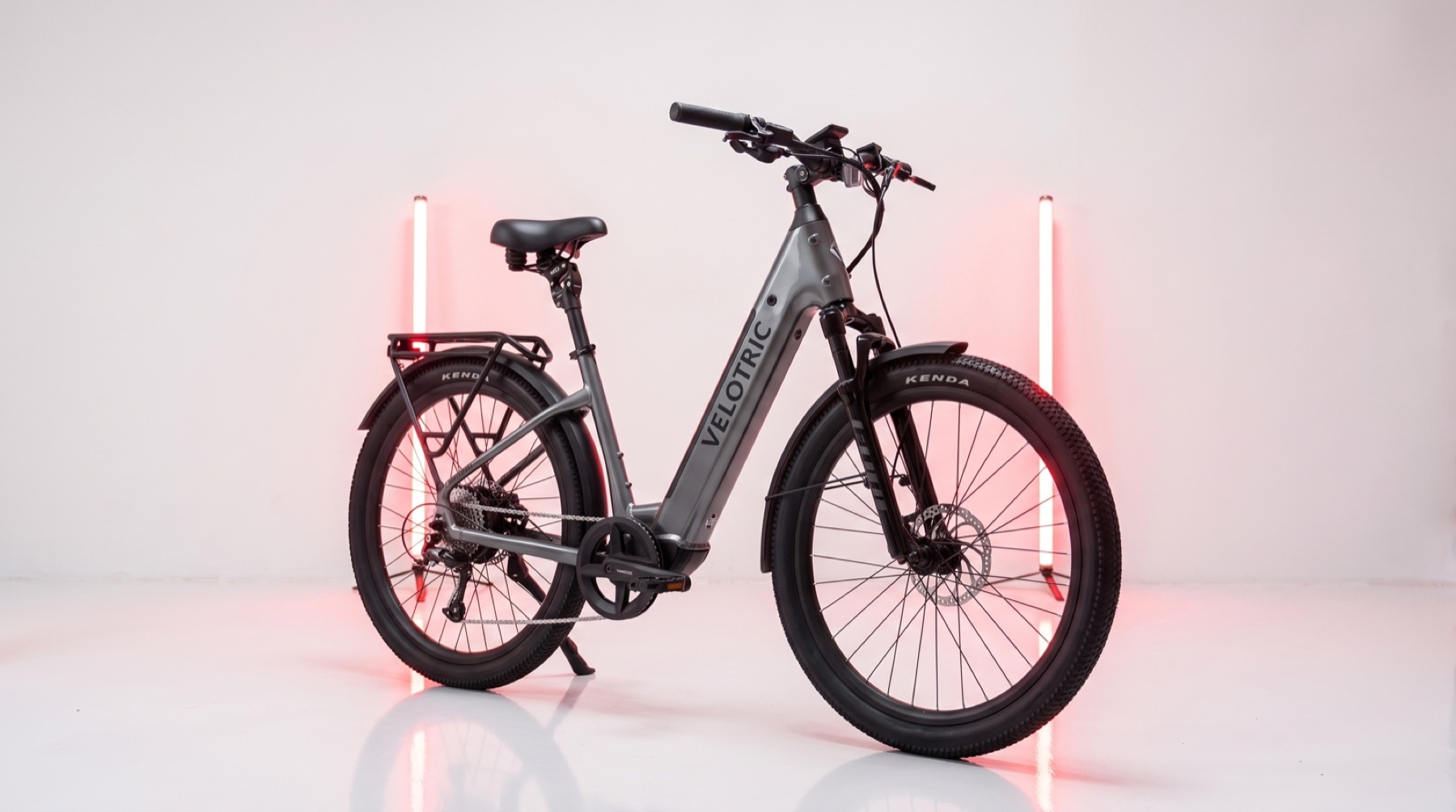
Discover 3
The upgraded commuter — SensorSwap dual sensing, NFC card unlock, a suspension seatpost and a claimed 80 miles.
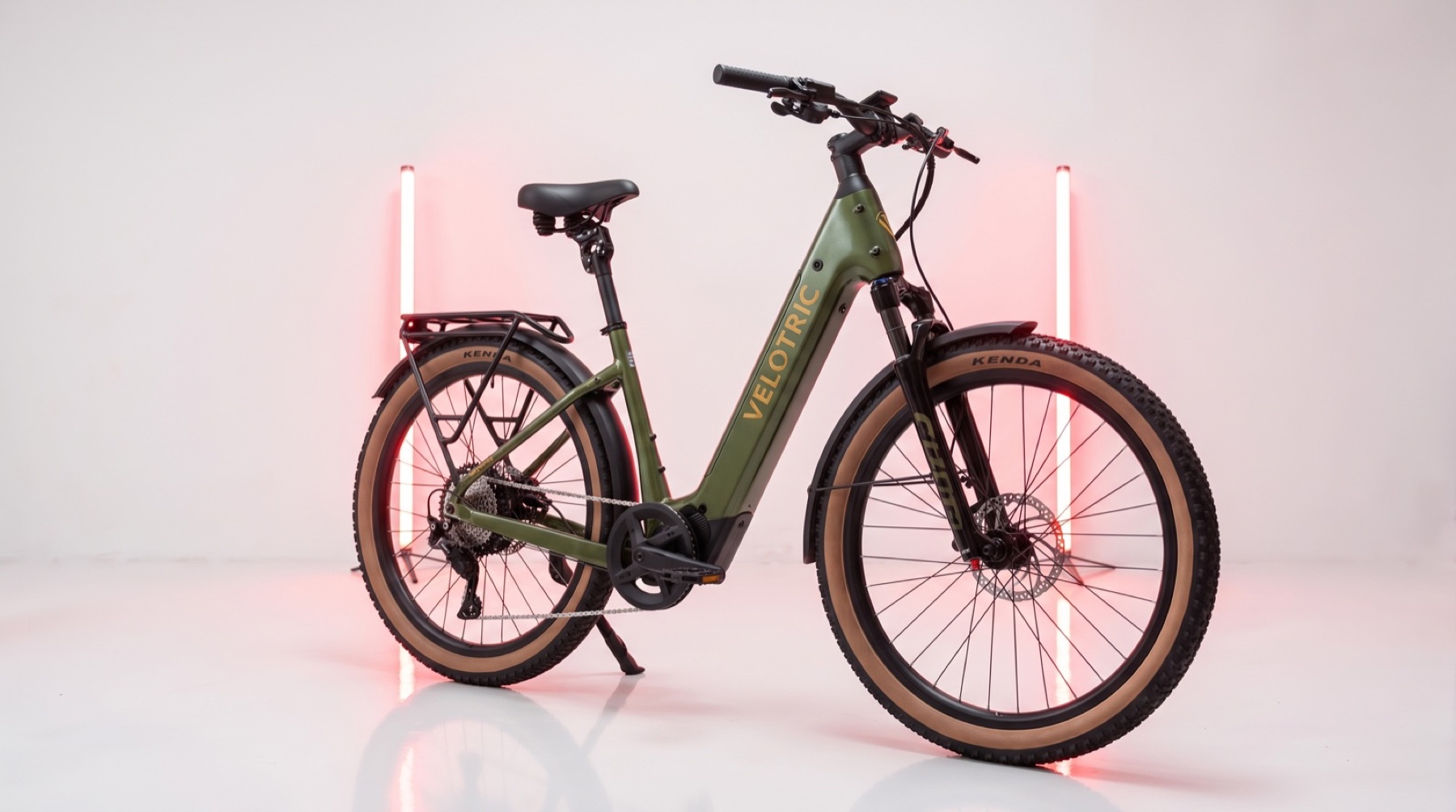
Discover M
Velotric's first mid-drive — the 100 Nm VeloCore with terrain-adaptive Auto Mode, CUES 9-speed and a claimed 95 miles.
Eahora
Affordable 20-inch fat-tire commuters with hydraulic disc brakes and linkage rear suspension.
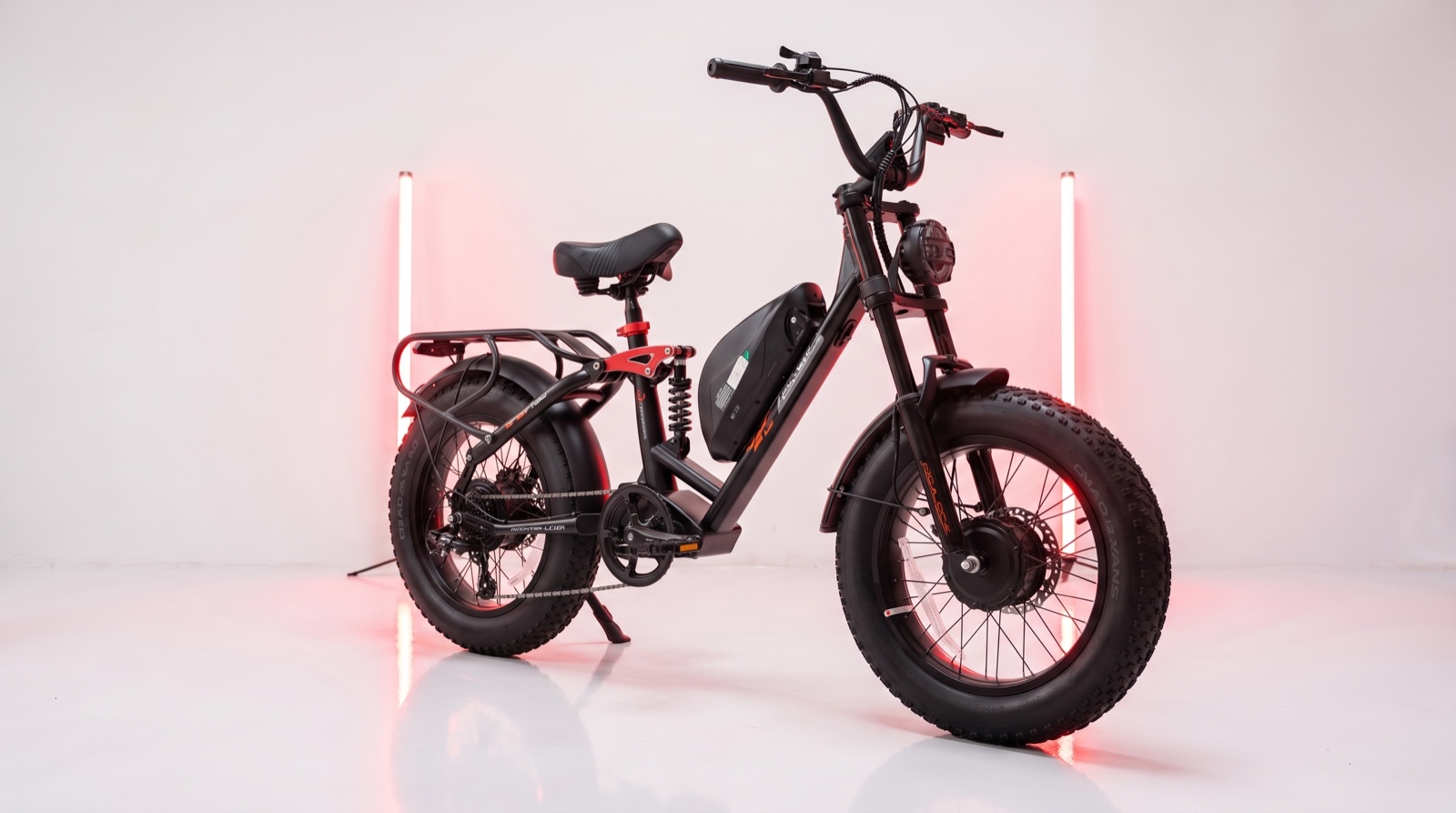
Luna II
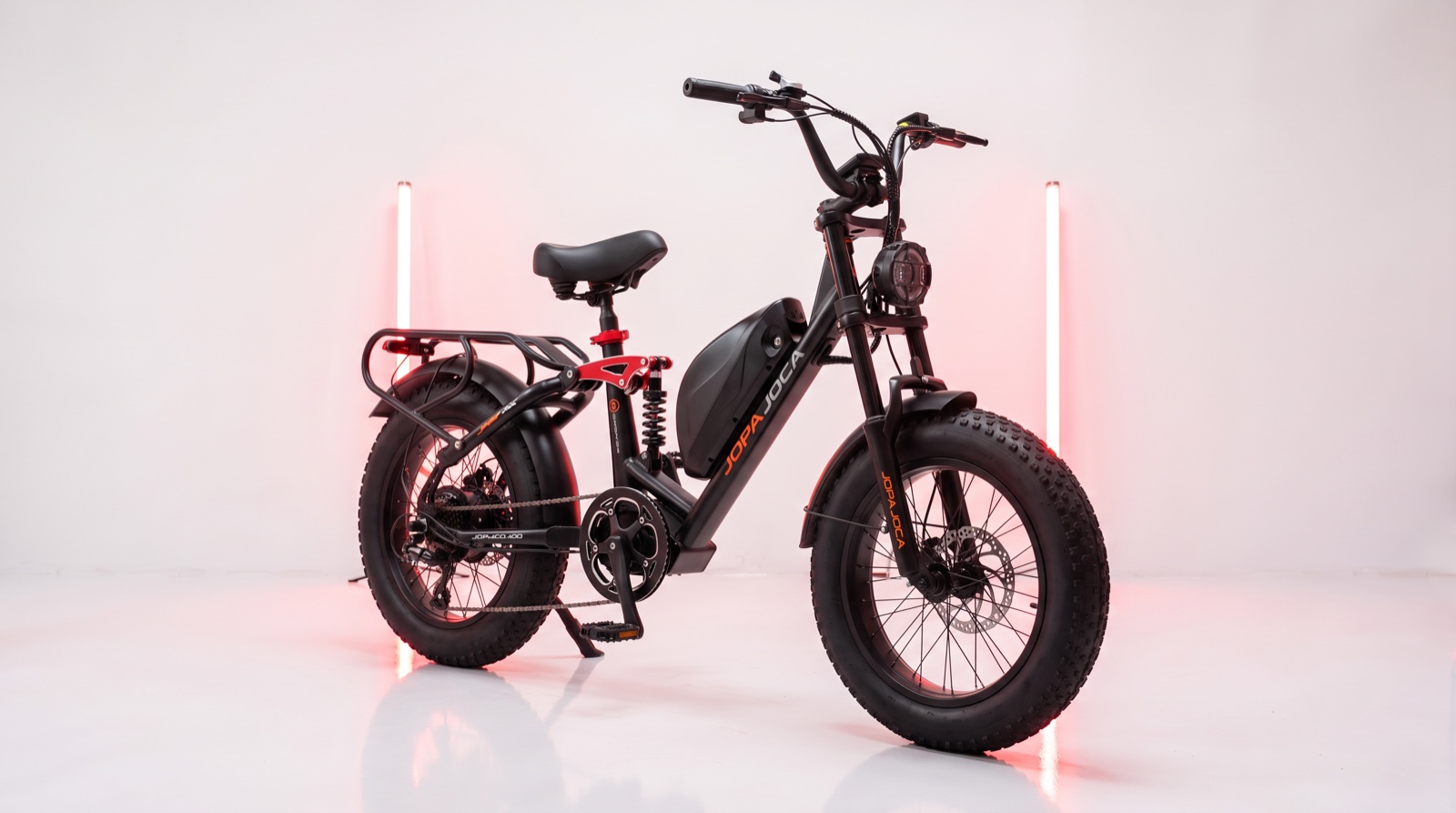
Dual-motor AWD for under $1,000 — 4-bar-link rear suspension, hydraulic discs and a claimed 62 miles.
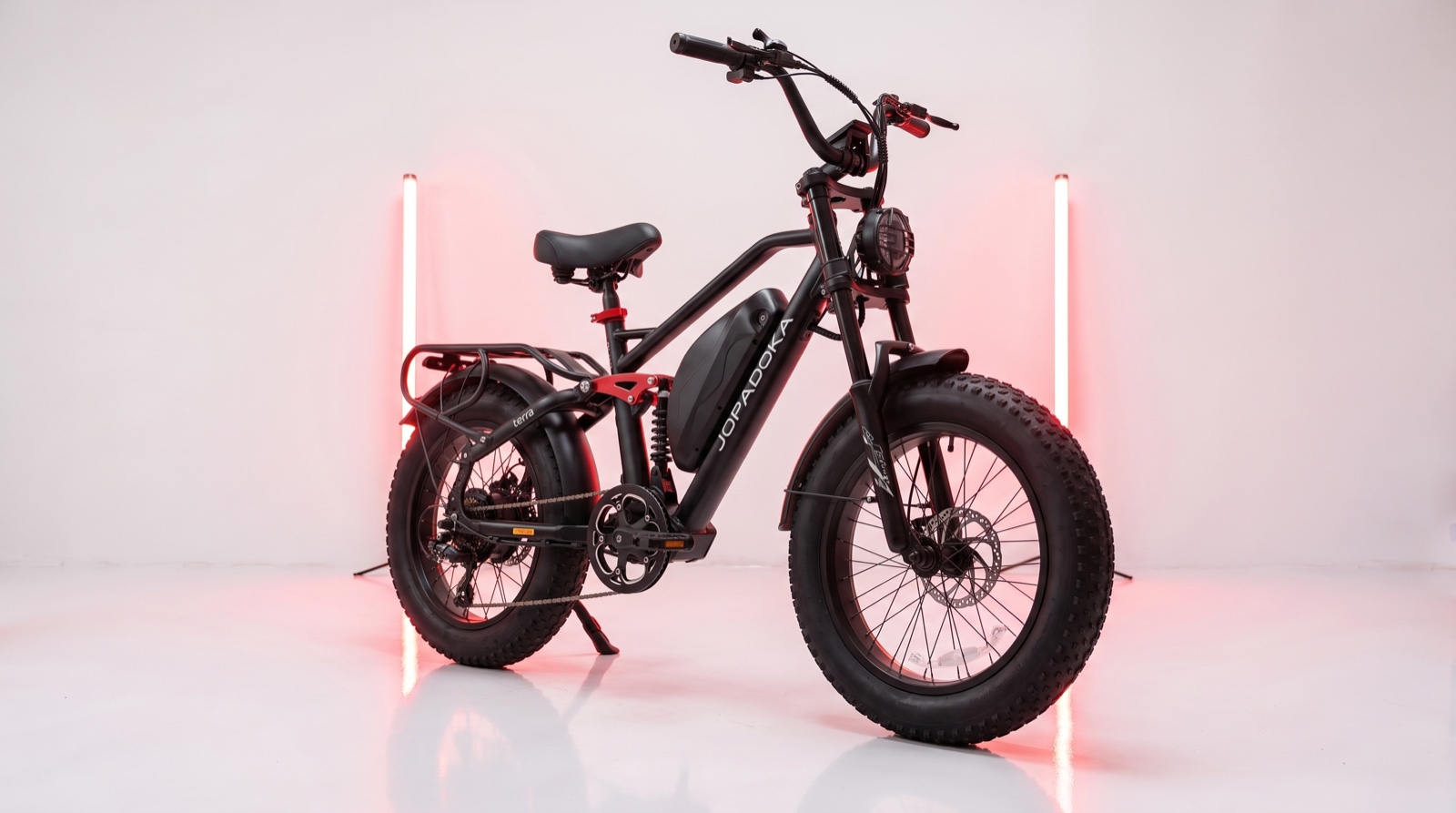
Terra
The step-over Luna — same 1000W drivetrain and 720Wh pack in a traditional top-tube frame, with anti-puncture tires.
Luna
Eahora's cheapest bike — 1000W peaking at 1500W, hydraulic discs and 4-bar-link rear suspension from $799.
Himiway
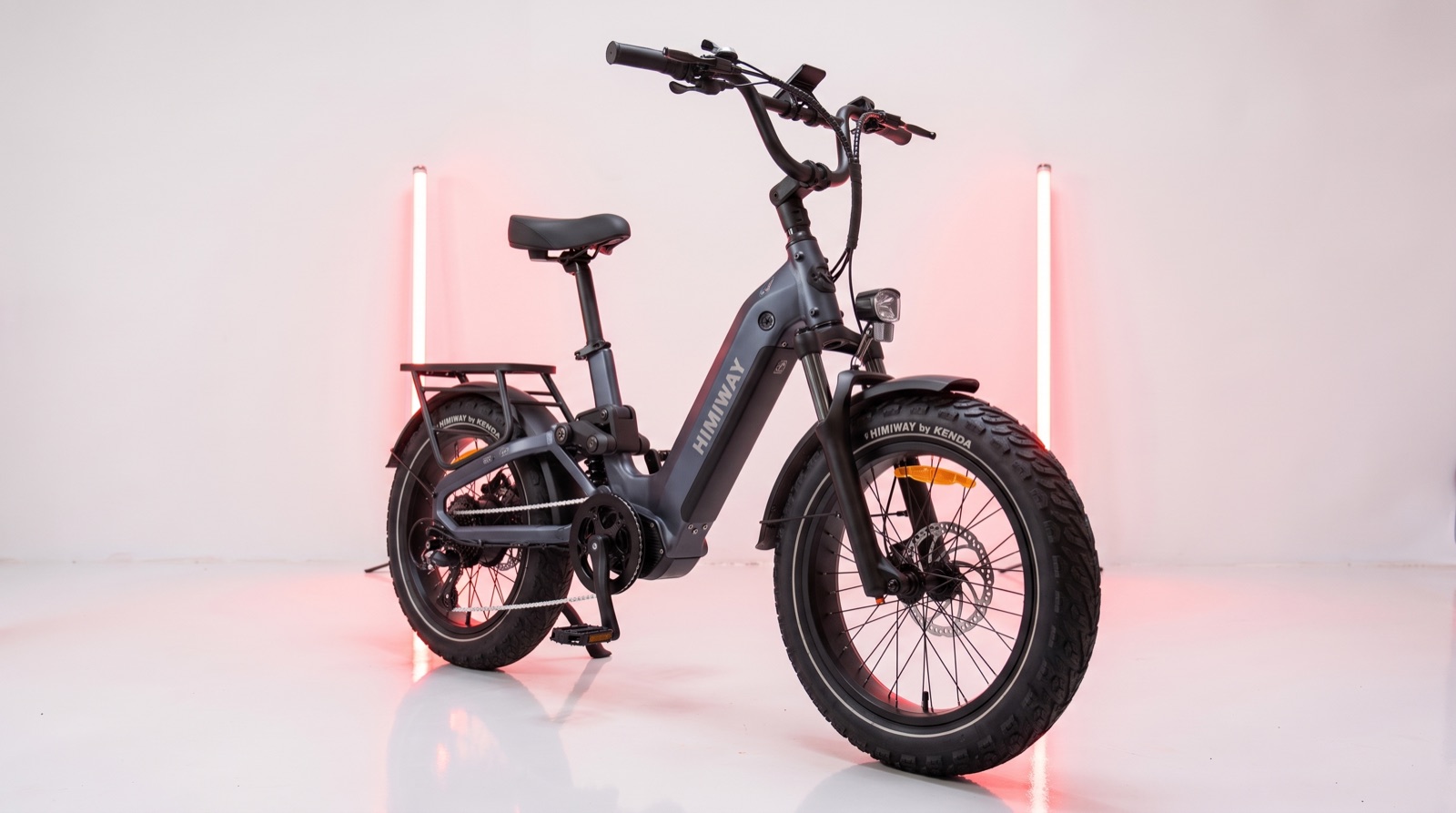
Every Himiway bike we cover, with specs, prices and Ben's testing where he has ridden it.
Reviews In Progress
We’re testing the best commuter e-bikes
Our team is out riding and filming honest, hands-on reviews for this category. Once they land, every bike will be organized by brand right here. Check back soon — or subscribe on YouTube to catch them first.
Frequently asked questions
Which e-bike class is right for commuting?
Class 3 if your ride includes real roads, because 28 mph pedal assist keeps you moving with traffic instead of getting squeezed. Class 2 if you want a throttle for pulling away from lights and hills. Class 1 if your route is mostly multi-use paths, where throttles and 28 mph are often not allowed. Most good commuters let you switch between all three in the display.
How much range do you actually need?
Take your round trip, double it, and buy a battery that covers that. The doubling isn't paranoia — cold weather, headwinds, hills, a heavy backpack and a battery that's a year old all eat into the number, and the day you get caught short is the day you stop riding to work. If you can charge at the office, you can size down.
Torque sensor or cadence sensor?
Torque sensor if you can afford it. It measures how hard you're pushing and matches the motor to your effort, so the bike feels like a bike with strong legs. A cadence sensor only knows the pedals are turning, so power arrives in a surge and cuts out the same way — fine on a straight commute, less pleasant in stop-and-go traffic.
What kit does a commuter bike actually need?
Full fenders, integrated lights wired to the main battery, a rear rack, and a bell. If they're built in, you don't have to shop for them, drill for them, or charge separate batteries for them on a dark Tuesday. Puncture-resistant tires are the fifth item and the one most people wish they'd bought sooner.
Are hydraulic brakes worth it on a commuter?
Yes. An e-bike with a rider and a bag on it is heavy, and city riding is nothing but braking. Hydraulics give you one-finger control in the wet and don't need cable adjustment every few weeks. It's the single upgrade that changes how a commuter feels day to day.
Can you leave an e-bike locked up outside all day?
You can, but take the battery with you where possible — it's the most expensive and most stolen part, and most commuters here have removable packs. Use a proper U-lock through the frame and a fixed object, and register the serial number. Also check whether your bike is UL 2849 certified before you charge it inside an apartment or office.